Politics · World News Bureau
New York examines sexual assault laws after high-profile Cornell case
A controversial rape case at Cornell University has prompted New York lawmakers to reconsider the state's sexual assault statutes, particularly provisions governing voluntary intoxication. The review highlights tensions between the state's progressive reputation and its existing legal framework.
LSN World News ·
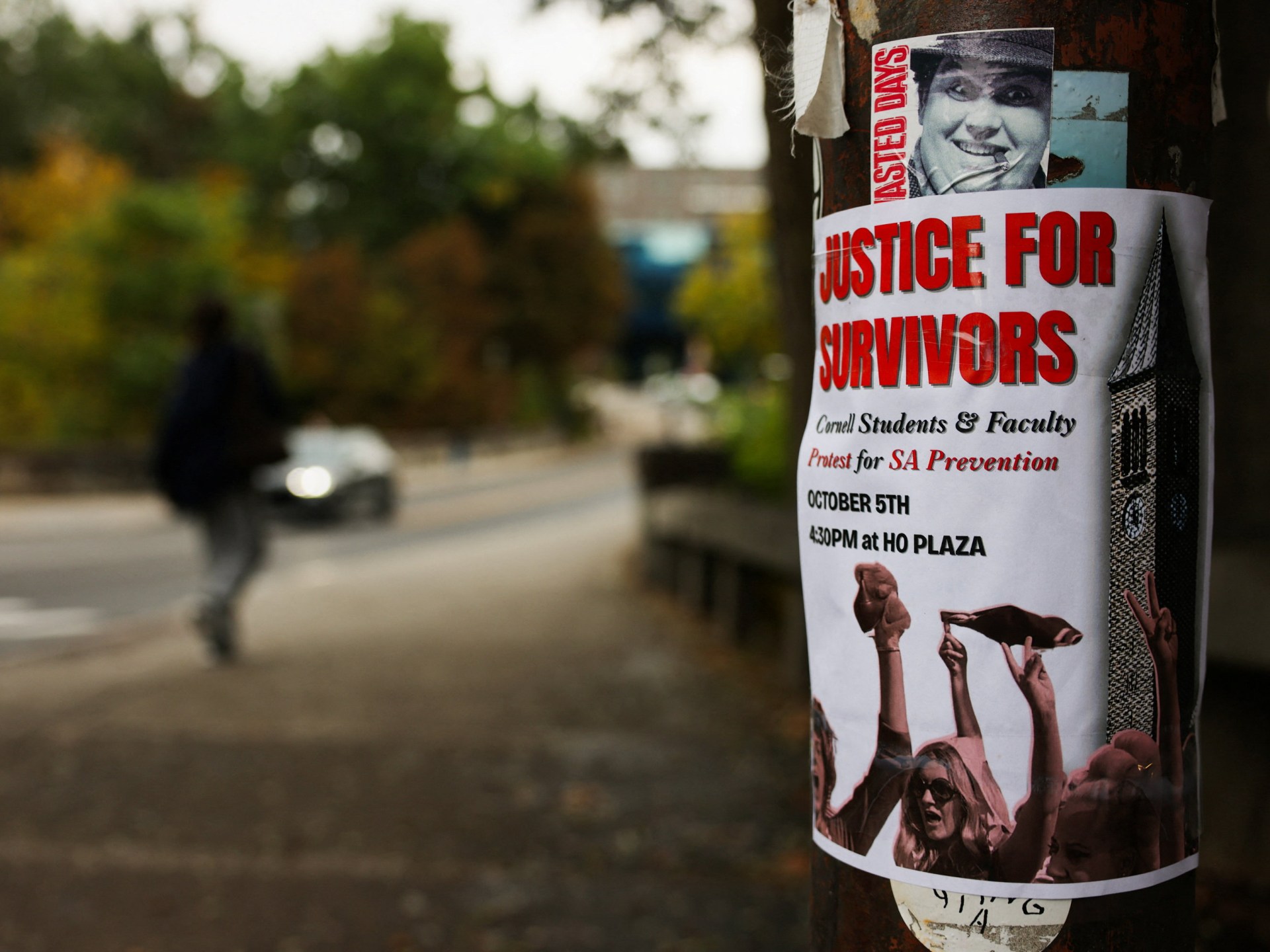
New York's legislature is undertaking a comprehensive review of the state's sexual assault laws, spurred by a legal case at Cornell University that exposed gaps in current statutes. At the center of the discussion is a provision allowing defendants to claim voluntary intoxication as a defense in rape prosecutions, a rule that legal experts and advocates argue undermines protections for victims.
The Cornell case brought national attention to the issue when a defendant successfully argued that intoxication affected his criminal intent, highlighting how New York's legal framework can produce outcomes that contradict the state's self-image as a progressive jurisdiction on gender-related issues. Legal scholars and victim advocacy groups have long contended that the voluntary intoxication defense creates problematic loopholes in rape prosecutions.
Lawmakers are now considering amendments to clarify and strengthen the state's sexual assault statutes. The proposed changes would address not only the intoxication question but potentially other areas where current law may fail to adequately protect victims. The review reflects growing recognition that legal codes must evolve to match contemporary understandings of consent and accountability in sexual assault cases.
Advocates have called for swift action, arguing that New York's outdated provisions place it at odds with other states that have modernized their sexual assault laws. The outcome of the legislative review could set significant precedent for how the state balances due process protections with victim safety in future prosecutions.