World · India Bureau
New York's Broadway transforms into five-mile wildlife corridor
A long-term urban greening initiative is converting Manhattan's busy Broadway into a haven for birds, bees and other wildlife. The project aims to connect dozens of green spaces through native plantings, marking a significant shift in how cities approach urban biodiversity.
LSN India ·
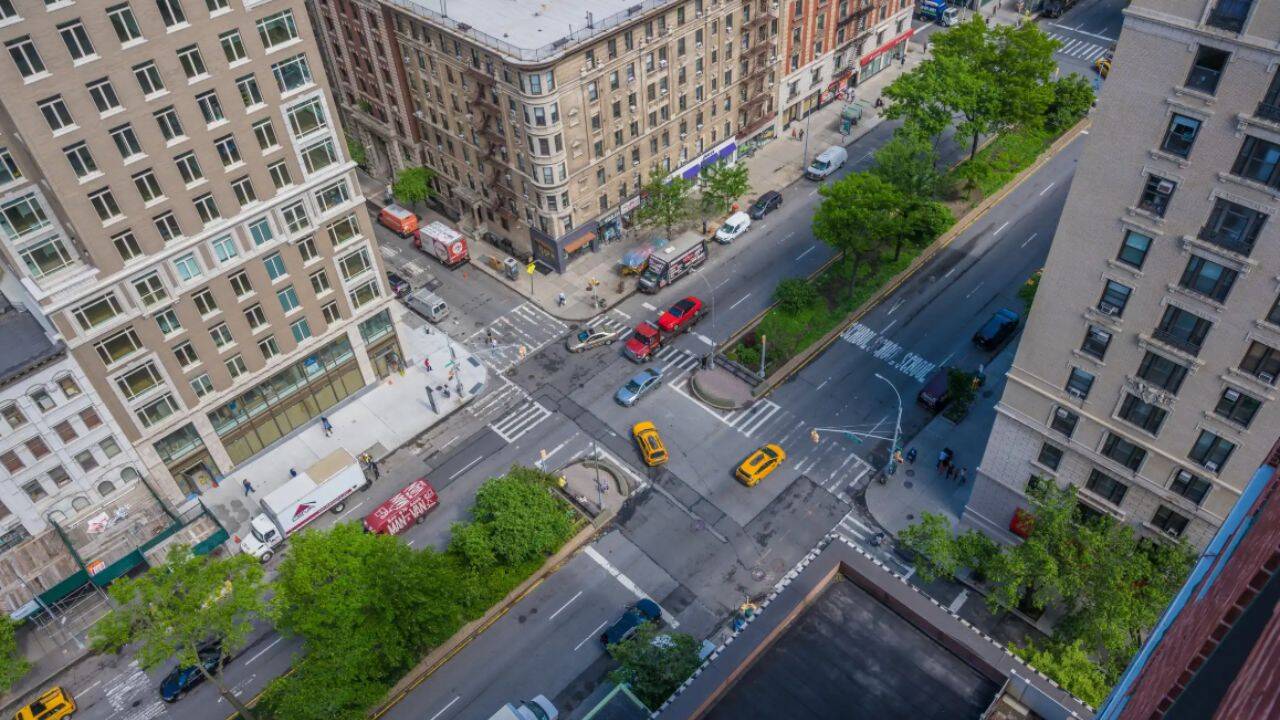
New York City's iconic Broadway is undergoing a gradual transformation from a traffic-congested commercial artery into a functioning ecological corridor. The Great Green Way project, spearheaded by the Broadway Mall Association, is systematically replanting the street's medians with native species adapted to the Northeast region, creating stepping stones for urban wildlife across five miles of Manhattan's densest commercial district.
The initiative targets 83 green medians along Broadway, aiming to weave them into a continuous ecological pathway. To date, twelve medians have been restored with native plants, with expansion efforts scheduled through 2026. The replanted corridors are designed to support bird populations, pollinator species including bees, and other fauna that typically struggle to thrive in heavily urbanized environments.
The project represents an emerging urban planning philosophy that prioritizes biodiversity within city limits. By connecting fragmented green spaces, the corridor allows species to move between habitats and access food sources, addressing challenges posed by habitat fragmentation in densely populated areas. The use of native species ensures that restored areas can sustain local wildlife without requiring intensive maintenance or irrigation.
Manhattan's Broadway Mall Association has structured the project in phases to manage implementation across the high-traffic corridor. The approach demonstrates how strategic greening of existing urban infrastructure—in this case, traffic medians—can yield environmental benefits without requiring major redevelopment or displacement. Environmental advocates view similar projects as crucial for maintaining biodiversity in cities worldwide as urbanization continues to expand.