Politics · Malaysia Bureau
New Zealand election dominated by economic concerns and cost of living
New Zealand voters are heading to the polls with the economy and cost-of-living pressures at the forefront of their concerns. Prime Minister Christopher Luxon is campaigning to retain power with a pledge of no new taxes while characterising his opponents as an unpredictable left-wing alliance.
LSN Malaysia ·
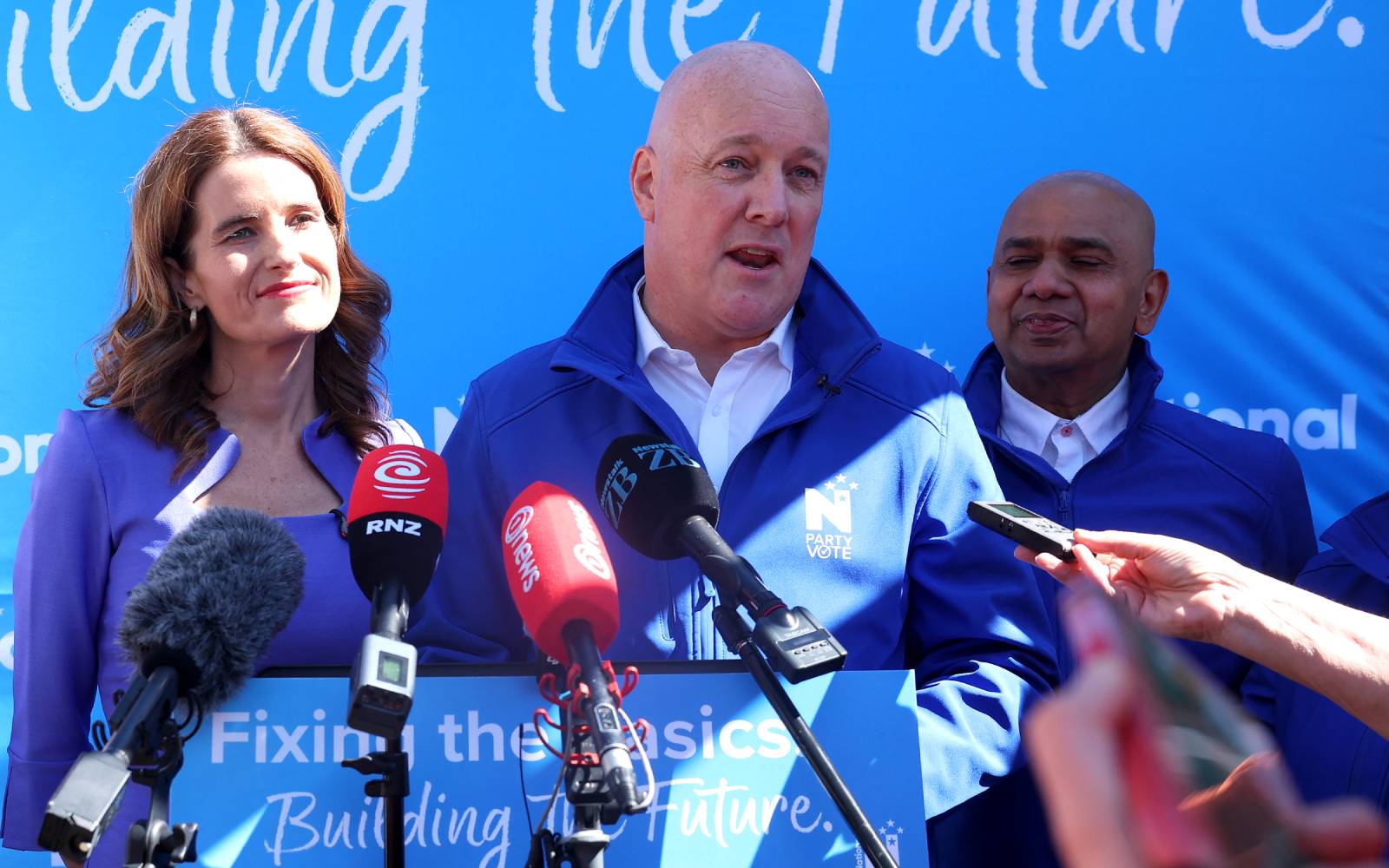
New Zealand's election campaign has centred on economic management and household financial pressures as voters weigh their options in the closely watched contest. Prime Minister Christopher Luxon, leading the centre-right National Party, has made a 'no new taxes' commitment central to his re-election strategy, framing his government as the more fiscally responsible choice.
Luxon has sought to differentiate his coalition partners from what he describes as a chaotic alternative, portraying the opposition as an unstable grouping of left-leaning parties with conflicting policy agendas. The Prime Minister has emphasised economic stability and tax restraint as key reasons voters should retain his government.
Cost-of-living pressures have emerged as a dominant election issue, with New Zealand households grappling with inflation, housing costs, and the broader economic slowdown. Both government and opposition parties have proposed various measures to address these concerns, though they differ significantly in their approaches and funding mechanisms.
The election reflects broader regional and global trends of voters prioritising economic performance and household financial security in their voting decisions. Polling suggests a competitive contest, with the outcome likely to depend on how voters assess the government's economic record and the credibility of opposition alternatives.