Politics · Singapore Bureau
New Zealand election polls remain deadlocked ahead of voting
Polling data continues to show no decisive advantage for any party in New Zealand's upcoming election. The country's mixed member proportional voting system typically requires parties to form coalition governments.
LSN Singapore ·
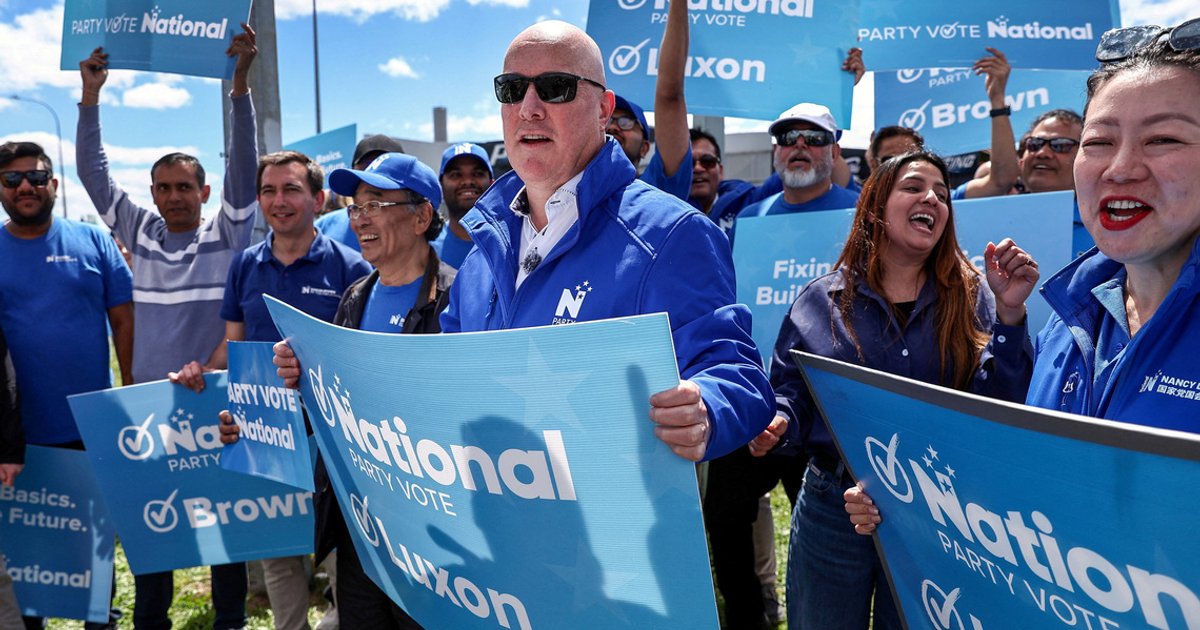
New Zealand's electoral landscape remains fractured as the nation heads toward its election, with opinion polls failing to indicate a clear pathway to power for any single political force.
The persistence of tight polling reflects the complexity of New Zealand's political environment, where no party has emerged with sufficient support to govern alone. This dynamic is characteristic of elections held under the country's mixed member proportional (MMP) system, which combines electorate seats with proportional representation and consistently produces outcomes requiring multi-party coalitions.
Under the MMP framework, voters cast two ballots—one for a local electorate representative and another for their preferred party. The system is designed to ensure parliamentary representation reflects broader voter preferences across the country, rather than concentrating power among larger parties.
The inconclusive polling underscores the fragmented nature of voter sentiment, with multiple parties positioned to influence government formation. As voting approaches, political parties will likely focus on positioning themselves as preferred coalition partners, regardless of overall seat counts.
Historically, New Zealand's elections have produced varied coalition arrangements, ranging from major party partnerships to governments involving several smaller parties. The final outcome will depend not only on voting results but also on negotiations between parties in the post-election period.