Politics · World News Bureau
New Zealand faces coalition negotiations after closely-fought election
New Zealand's general election has produced a tight result, with no single party securing a clear majority and forcing political leaders into complex coalition negotiations to form a government.
LSN World News ·
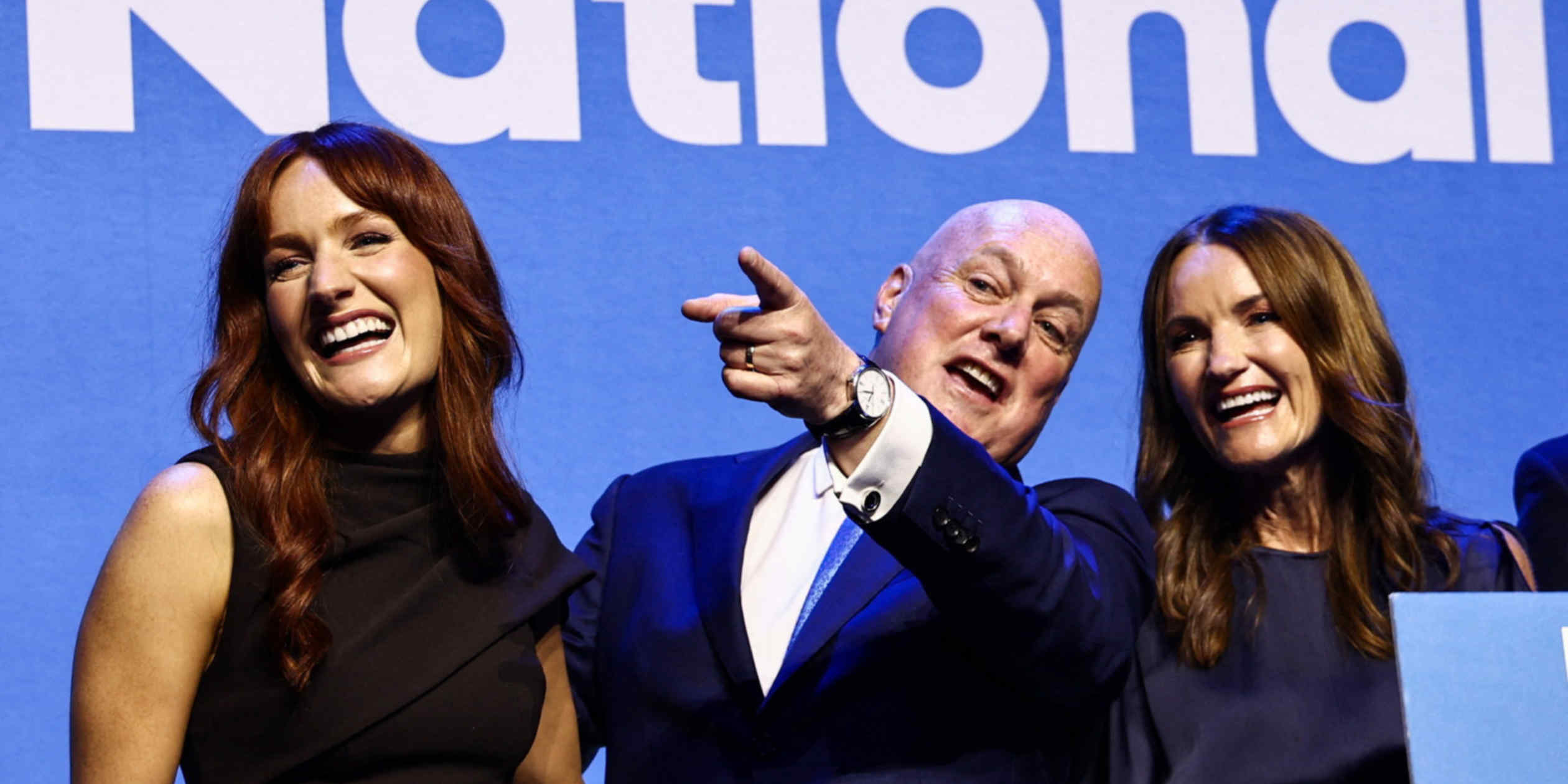
New Zealand's latest general election has delivered a fragmented parliament, setting the stage for intensive negotiations among political parties seeking to assemble a governing coalition. The closely-contested result means that no single party won sufficient seats to govern independently, a scenario that has become increasingly common in New Zealand politics in recent years.
Coalition formations in New Zealand typically require the largest party to negotiate with smaller parties to secure the 61 parliamentary seats needed for a majority. These discussions often extend over several weeks as parties attempt to find common ground on key policy areas including taxation, healthcare, and economic management.
The outcome reflects ongoing shifts in New Zealand's political landscape, where traditional two-party dominance has given way to a more complex multi-party environment. Smaller parties now hold significant bargaining power, allowing them to influence government policy in exchange for their parliamentary support.
Party leaders have indicated willingness to engage in talks aimed at forming a stable administration. The negotiations will determine not only which parties enter government but also the policy priorities that will define the next three-year parliamentary term. Observers expect discussions to focus on areas where potential coalition partners share overlapping policy objectives.