Politics · World News Bureau
New Zealand faces tight election with kingmaker role for minor parties
Major political contenders are expected to fall short of an outright majority in New Zealand's upcoming election, leaving smaller parties in a powerful negotiating position to determine the next government.
LSN World News ·
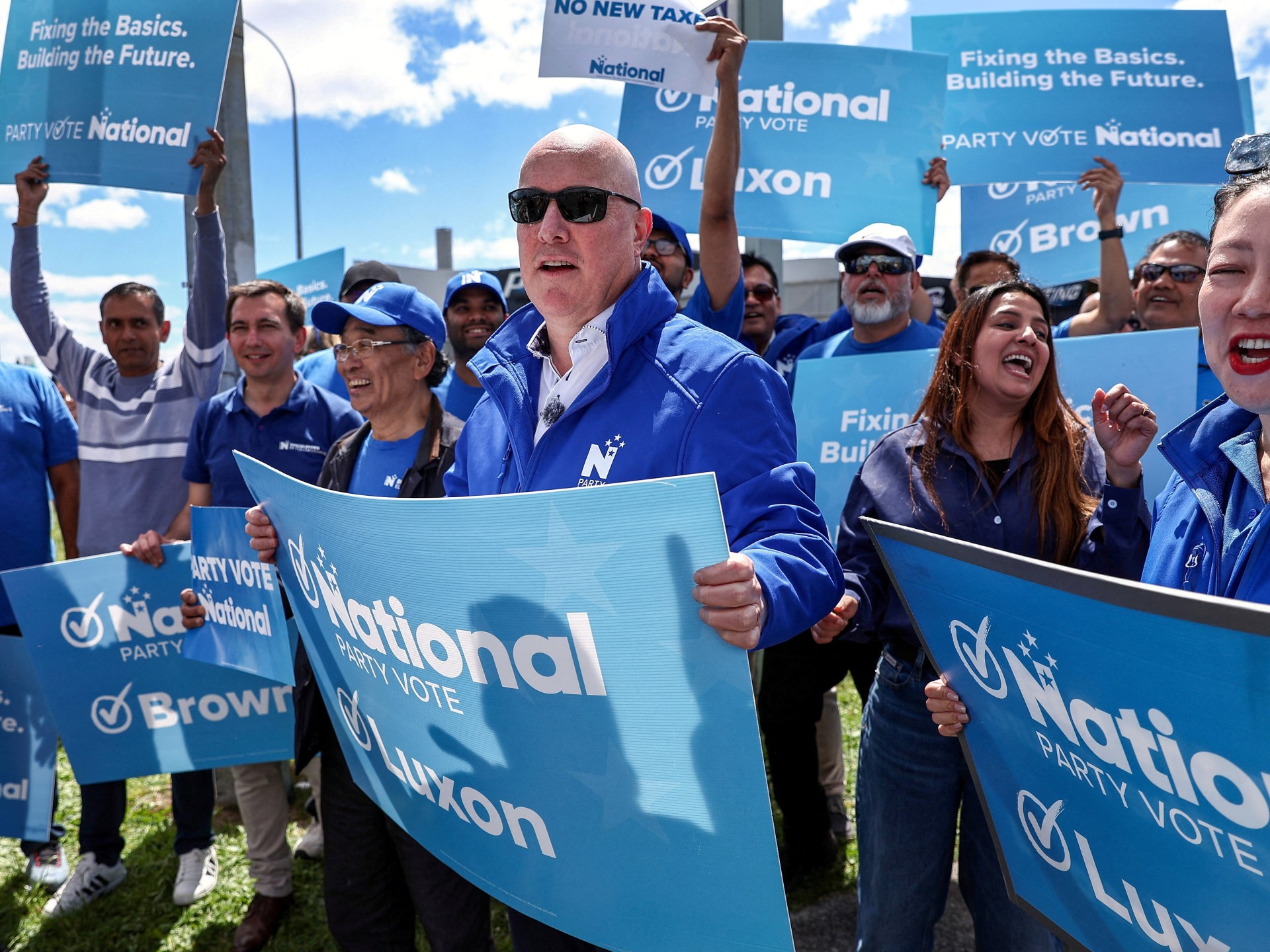
New Zealand is preparing for a closely contested election where traditional two-party dominance has given way to a more fragmented political landscape. Neither of the major contenders is widely expected to secure the 120 parliamentary seats needed for independent governance, fundamentally altering how coalition negotiations will unfold in the post-election period.
This dynamic has elevated smaller parties and independent candidates to an unusually influential position. Kingmaker status means these lesser-known political forces will effectively choose which major party forms the next administration, wielding negotiating power that far exceeds their parliamentary representation. Political analysts have identified several potential coalition scenarios, each with markedly different policy implications for the nation's economic and social direction.
The shift toward a multi-party political system reflects evolving voter preferences and dissatisfaction with incumbent leadership. Parties across the political spectrum have been campaigning aggressively for the centre ground, where minor party supporters are likely to prove decisive. The focus on coalition mathematics has dominated pre-election discourse, with political commentators repeatedly highlighting how marginal electoral swings could determine which smaller parties end up wielding decisive influence.
As voting day approaches, political parties remain engaged in preliminary coalition discussions and public positioning. The outcome will likely depend not only on the primary vote but on the strategic calculations of minor party leaders weighing offers from larger political forces seeking to build governing majorities.