Politics · Singapore Bureau
New Zealand faces weeks of coalition talks after tight election result
New Zealand's major political parties are preparing for complex negotiations after neither the National nor Labour parties secured a clear mandate in the general election. Both camps finished with popular vote shares below 30 percent, setting the stage for lengthy coalition discussions.
LSN Singapore ·
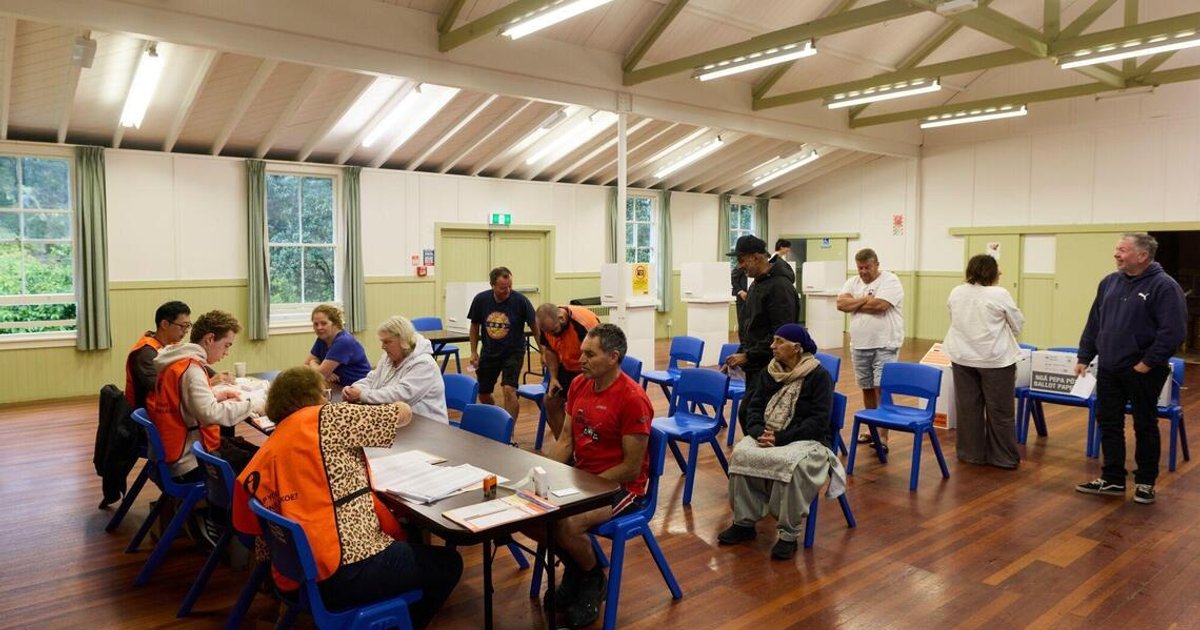
New Zealand voters delivered an inconclusive result in their general election, with neither of the country's two major political blocs emerging with a decisive majority. The National Party and Labour Party each captured less than 30 percent of the popular vote, a result that reflects a fragmented political landscape and suggests significant public dissatisfaction with traditional two-party politics.
With no party capable of governing alone, New Zealand's political parties now face a protracted period of negotiations to assemble a workable coalition government. The process is expected to consume several weeks as smaller parties and independent candidates hold the balance of power and position themselves for ministerial roles or policy concessions.
The close result underscores broader shifts in New Zealand's electoral dynamics. Voters appear increasingly willing to split their support across multiple parties, complicating the traditional path to power that historically favored either National or Labour with commanding vote shares.
Coalition negotiations in New Zealand typically involve detailed discussions on policy priorities, ministerial portfolios, and supply-and-confidence agreements. These talks determine not only which party will lead the government, but also which smaller parties will wield significant influence over the next parliamentary term.