World · Singapore Bureau
New Zealand First's culture-war agenda faces secular electorate resistance
Political analysts warn that rhetoric on cultural issues gaining traction internationally is finding limited resonance with New Zealand voters, who present a more secular and less polarised demographic than counterparts elsewhere.
LSN Singapore ·
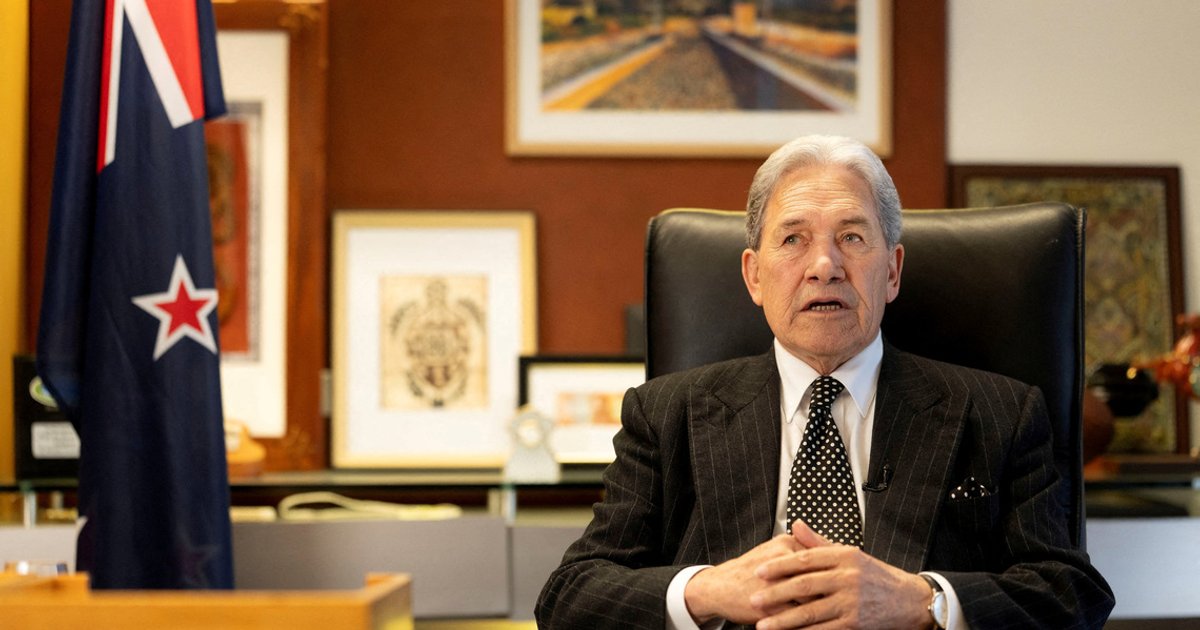
New Zealand First's push into culture-war policies is encountering headwinds as the party attempts to capitalise on social divisions that have energised political movements in other developed nations. Observers of the New Zealand political landscape note that messaging around cultural grievances—tactics proven effective in countries across Europe, North America and Australia—is struggling to gain significant traction domestically.
Analysts point to New Zealand's distinctive electoral composition as a key factor limiting the appeal of such rhetoric. The country's relatively high levels of secularisation and lower degree of cultural polarisation compared to peer nations mean the electorate is less receptive to divisive cultural messaging. Voters across the political spectrum tend to occupy common ground on numerous social issues, reducing the electoral opportunities that cultural conflict has created elsewhere.
The challenge underscores how political strategies that resonate in one national context may fail to translate across borders. While New Zealand First has sought to mobilise voters through cultural issues, the party faces the structural reality of an electorate that has historically prioritised consensus-building over culture-war positioning. Political strategists suggest this fundamental difference in voter preferences may constrain the party's ability to expand its base through such campaigns.
The situation reflects broader questions about the universalisability of populist and culture-war political strategies globally. As such approaches continue reshaping politics in various democracies, New Zealand's response provides a counterpoint—suggesting that local political traditions and demographic realities can substantially limit the effectiveness of imported political playbooks.