World · India Bureau
New Zealand's century-old trout introduction created ecological crisis
What began as a British effort to establish sport fishing in New Zealand in 1867 became an ecological disaster, with over 60 million brown trout fundamentally altering the country's native freshwater ecosystems.
LSN India ·
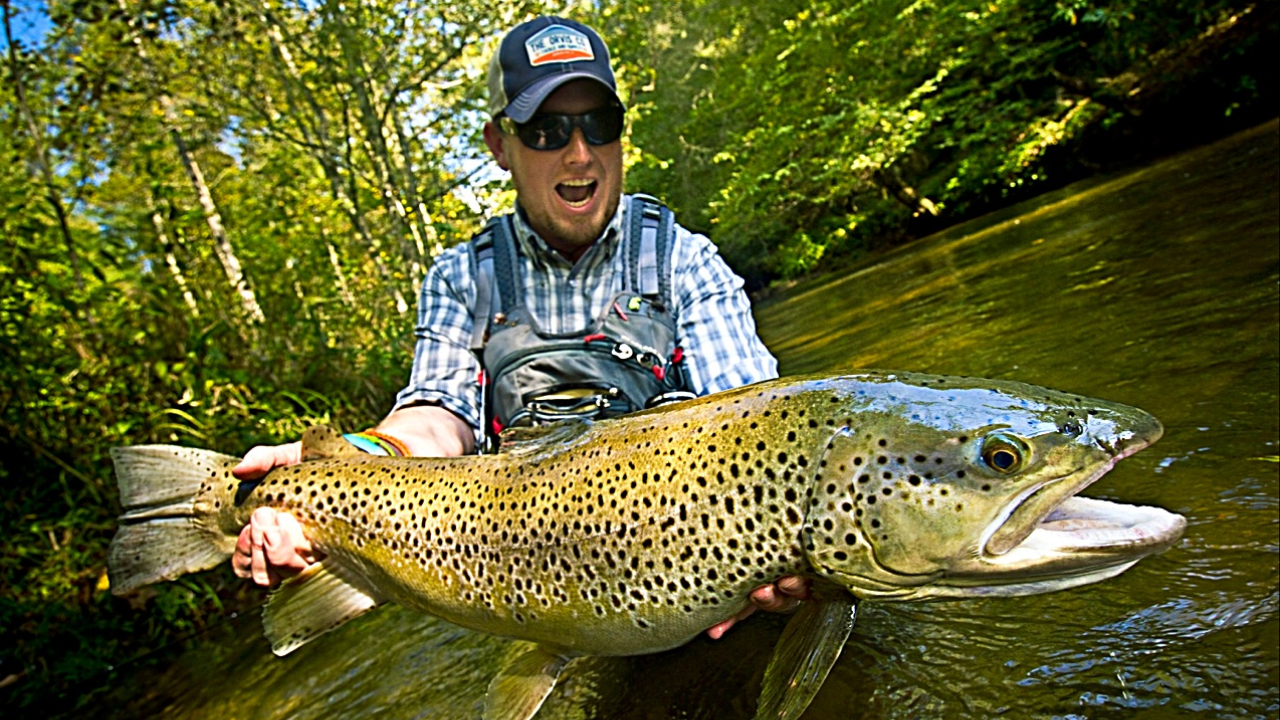
British settlers introduced brown trout to New Zealand more than 150 years ago with the explicit aim of enhancing recreational fishing opportunities. The initiative proved catastrophically successful, with authorities releasing in excess of 60 million trout into the country's waterways over subsequent decades.
The ecological consequences proved severe and lasting. Native fish populations experienced sharp declines as the invasive trout, formidable predators adapted to freshwater environments, competed for resources and actively preyed on local species. Several endemic fish populations were driven to extinction or near-extinction as a result of the predation pressure and habitat disruption.
Beyond fish species, the presence of trout fundamentally transformed New Zealand's stream ecosystems. The introduction altered aquatic insect behavior and population dynamics, triggering cascading effects throughout food webs that scientists are still documenting today. Stream habitats that had evolved over millennia without large predatory fish were suddenly subject to entirely new ecological pressures.
Conservationists and resource managers now grapple with the legacy of this 19th-century decision. Managing trout populations remains a significant challenge for environmental authorities seeking to protect what remains of New Zealand's unique native freshwater biodiversity. The case serves as a cautionary example of how well-intentioned biological introductions can create conservation crises that persist for generations.