World · India Bureau
New Zealand's giant wētāpunga insect shows signs of strong recovery
Conservation efforts in New Zealand have successfully reversed the decline of the wētāpunga, the country's largest giant wētā species, through a sustained breeding and release programme. More than 11,000 insects have been reintroduced to protected habitats over the past 15 years, with multiple generations now established in the wild.
LSN India ·
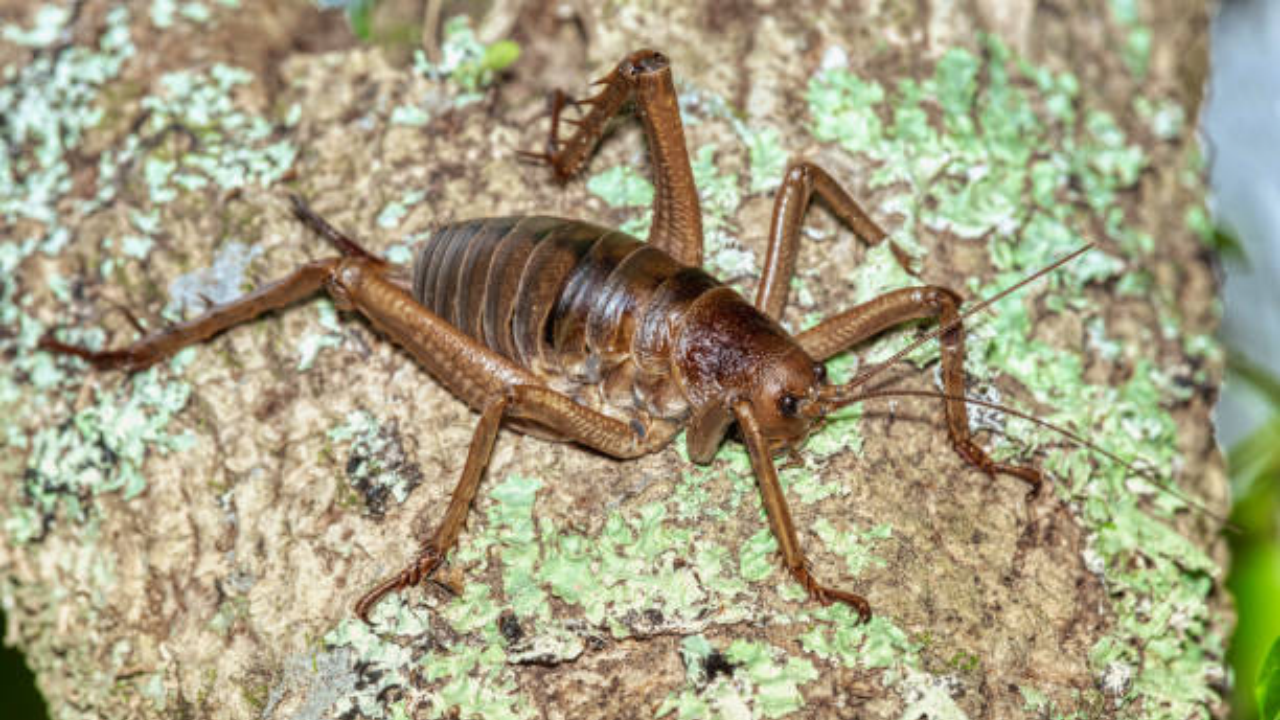
The wētāpunga, a critically endangered insect native to New Zealand, faces renewed prospects following intensive conservation work that has seen populations rebound from near-extinction. The species, which can weigh as much as three times a mouse, had declined sharply due to habitat destruction and the introduction of invasive predators that decimated wild populations across the island nation.
Conservation teams have addressed this decline through a comprehensive breeding programme, releasing more than 11,000 wētāpunga into carefully managed protected areas over a 15-year period. The strategy focuses on creating predator-free environments where the insects can establish sustainable populations without threat from introduced species.
The success of the programme is evident in the emergence of at least four generations of wētāpunga now thriving in the wild. This generational continuity suggests that the species is no longer dependent entirely on human intervention and may be approaching self-sustaining population levels in its protected habitats.
Experts involved in the recovery effort emphasize that long-term vigilance remains essential to ensure the wētāpunga's survival. Future work will focus on maintaining the integrity of protected areas and continuing monitoring to track population growth and genetic diversity among breeding populations.