World · India Bureau
New Zealand's Hedgehog Problem: How a 19th-Century Pest Solution Backfired
European hedgehogs introduced to New Zealand in the 1880s to control garden pests have become a serious threat to the nation's unique native wildlife. Conservation efforts are now focused on removing these invasive spiny creatures to protect endangered bird species and fragile ecosystems.
LSN India ·
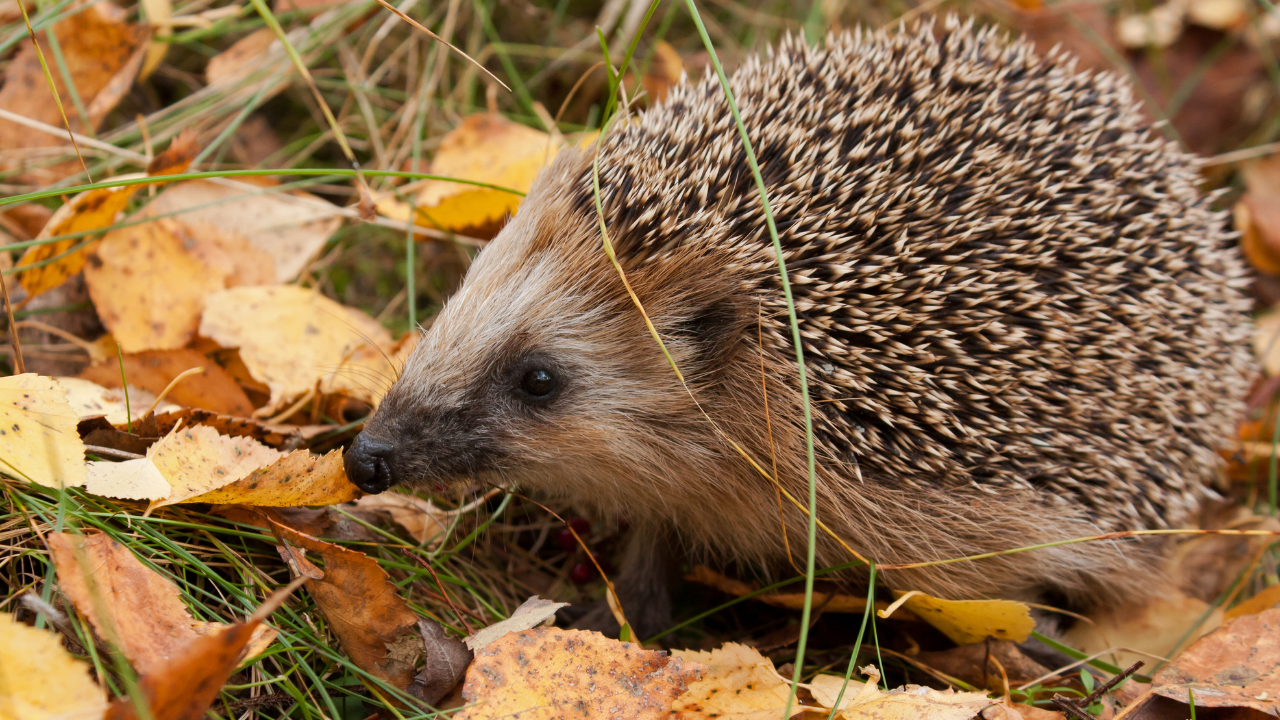
What began as a practical solution to agricultural problems has evolved into an ecological crisis for New Zealand. In 1885, European hedgehogs were intentionally introduced to the country by settlers seeking to manage garden pests and recreate familiar ecosystems from their homeland. With few natural predators in their adopted environment, the hedgehog population flourished across the islands.
Today, these spiky mammals represent a formidable threat to New Zealand's distinct and vulnerable wildlife. Hedgehogs actively hunt the eggs and young of numerous native species, with ground-nesting birds bearing the brunt of predation. The impact on these populations has been significant, destabilizing delicate ecological relationships that evolved over millions of years without mammalian predators.
The consequences have been particularly severe for New Zealand's endemic avian species, many of which lack evolved defences against mammalian predation. Ground-nesting birds, including several endangered species, face disproportionate losses as hedgehogs raid nests and consume breeding populations. This predation pressure compounds existing conservation challenges facing these already-vulnerable communities.
Recognizing the urgency of the crisis, New Zealand's conservation authorities have prioritized hedgehog control and removal as a key strategy for ecosystem protection. These ongoing initiatives aim to restore balance to native habitats and safeguard the survival of threatened species. The situation underscores the long-term ecological risks posed by introducing non-native species, even when initial intentions are benign.