World · India Bureau
New Zealand's mouse eradication effort sparks native bird population recovery
A large-scale pest removal operation on an isolated New Zealand island has yielded significant conservation gains, with native bird populations more than doubling following the elimination of an estimated 200,000 mice.
LSN India ·
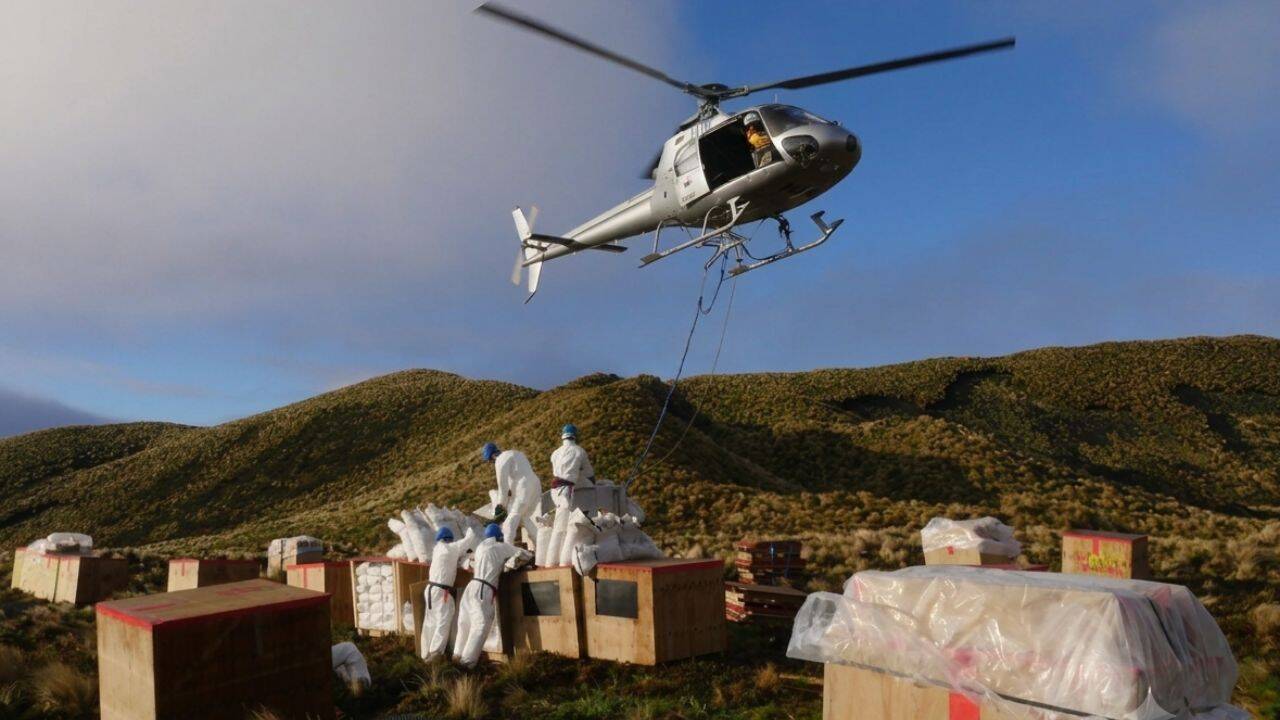
New Zealand's ambitious 2016 mouse eradication campaign on Antipodes Island has delivered measurable ecological benefits, with native bird species rebounding sharply in subsequent years. Monitoring confirmed the successful removal of the invasive rodent population by 2018, prompting researchers to assess the environmental impact across the island's fragile ecosystem.
Surveys conducted over the six years following the eradication found that populations of two key native species—the Antipodes Island pipit and snipe—had more than doubled. The recovery demonstrates the significant ecological pressure these introduced mice had exerted on the island's avifauna, consuming seeds and vegetation while competing directly with native birds for limited resources.
The operation represents a significant commitment to island restoration in New Zealand, where introduced species have historically posed challenges to native wildlife. Antipodes Island, located southeast of the main landmass, provides a relatively isolated ecosystem where large-scale pest control efforts can achieve measurable outcomes.
The success on Antipodes Island adds to growing evidence across the Asia-Pacific region that strategic rodent removal programmes can substantially improve conservation outcomes for endangered native species. Conservation officials are evaluating the approach's applicability to other island ecosystems facing similar invasive species pressures.