Politics · India Bureau
New Zealand votes in tightly contested election with minor parties holding key
Voting concluded in New Zealand's general election on Saturday with neither the incumbent National Party nor the opposition Labour-led coalition positioned for an outright victory. Minor parties across the political spectrum are expected to play a decisive role in government formation.
LSN India ·
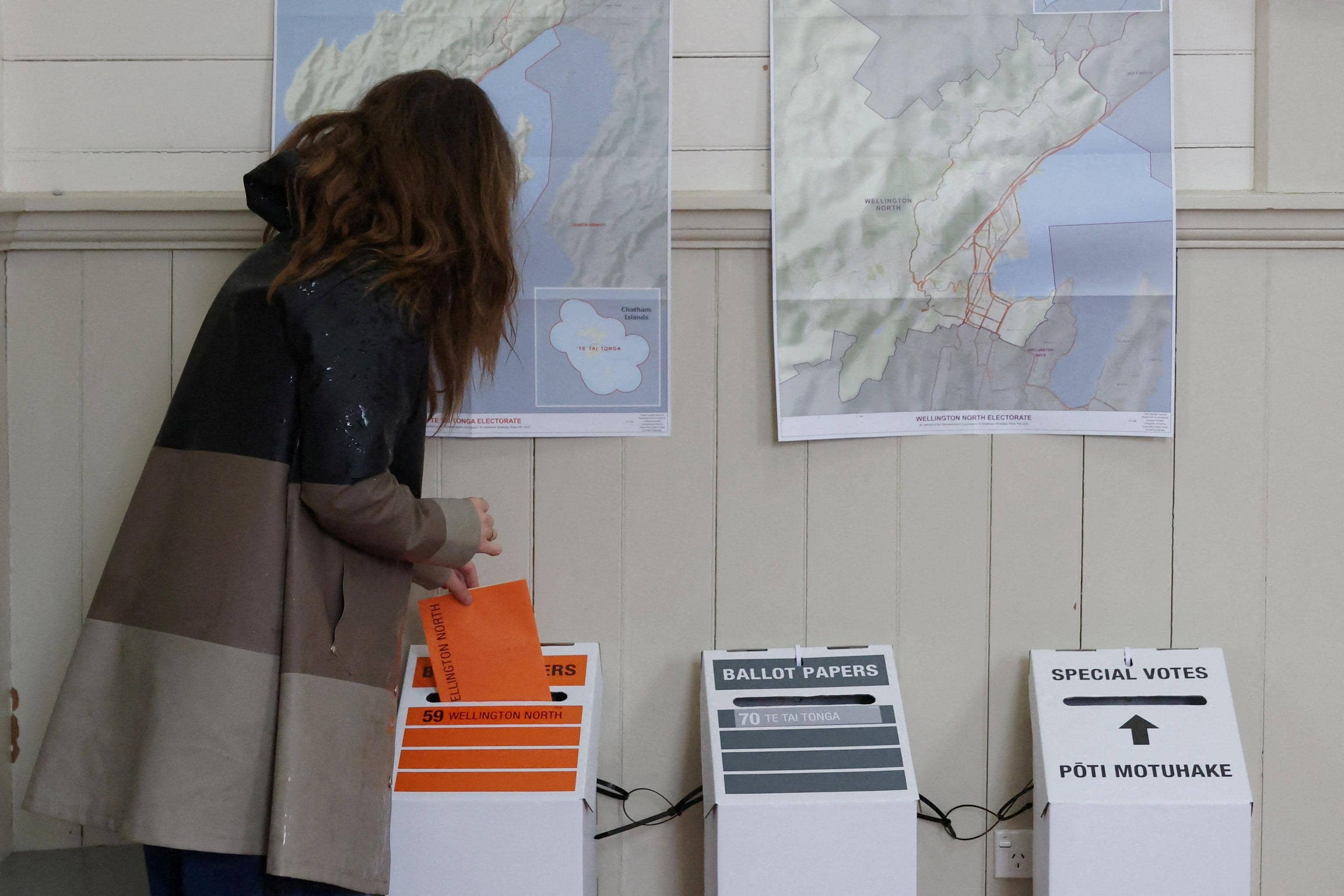
Polling places across New Zealand closed at 7 pm on Saturday after nearly two weeks of voting, ending a closely fought campaign that offered no clear frontrunner among major contenders. Prime Minister Christopher Luxon's National Party is seeking a second consecutive term, while opposition leader Chris Hipkins heads a left-leaning coalition seeking to return to power.
Pre-election polling suggested neither bloc possessed a decisive advantage, raising the likelihood that smaller parties will become kingmakers in negotiations to form the next government. The ideological divide between minor parties on both flanks of the political spectrum means coalition mathematics will prove complex regardless of which major party emerges with the most support.
New Zealand's Electoral Commission released an initial count of 5 per cent of votes within 30 minutes of polls closing, with results from 95 per cent of ballots expected by the end of Saturday night. A full, verified tally accounting for votes cast by New Zealanders overseas will be released on November 27, but early results will provide a clear indication of the election's trajectory.
The outcome will determine New Zealand's policy direction on key issues including cost-of-living pressures, healthcare, and economic management, with the composition of any coalition government likely to significantly influence the final legislative agenda.