World · Malaysia Bureau
NGOs urge evidence-based haze policy, targeted aid for vulnerable groups
Civil society organisations have called for Malaysia to adopt scientifically-grounded measures to combat transboundary haze rather than symbolic actions. The groups are pressing for enhanced support for low-income households and elderly citizens most affected by air quality crises.
LSN Malaysia ·
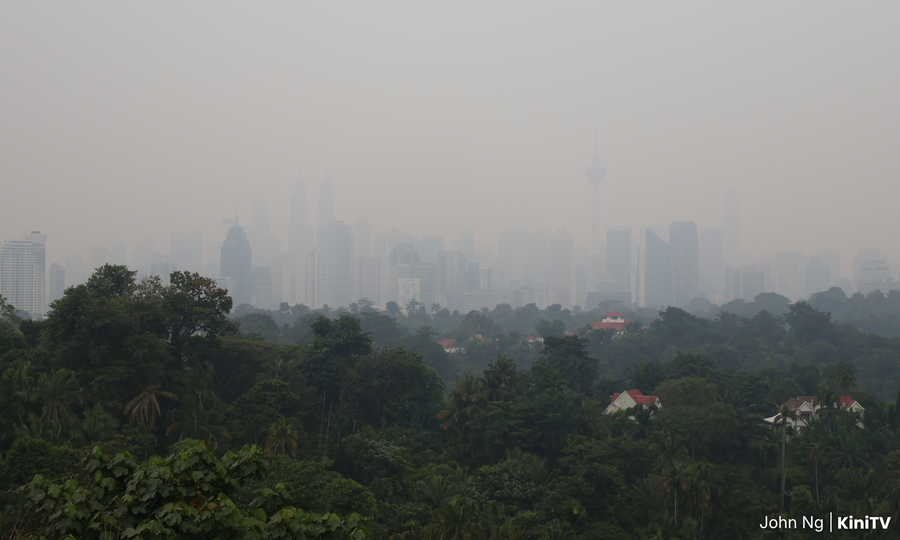
Non-governmental organisations representing environmental and social welfare interests have criticised what they describe as performative responses to recurring haze episodes affecting the region. Instead, the groups have submitted recommendations for authorities to prioritise interventions grounded in scientific evidence and data-driven policy frameworks.
The advocates emphasise that vulnerable populations—particularly the bottom 40 per cent income earners and senior citizens—bear disproportionate health and economic burdens during transboundary pollution episodes. These groups lack adequate resources for protective equipment, medical treatment, or temporary relocation during hazardous air quality periods.
Civil society organisations are calling for targeted assistance programmes, including subsidised masks and air purifiers for low-income households, enhanced healthcare provision in affected areas, and economic support for workers unable to operate during hazardous conditions. The groups also recommend strengthening cross-border cooperation mechanisms and monitoring systems to provide early warning capabilities.
The push for evidence-based policymaking reflects growing frustration with cyclical haze crises that recur annually during dry seasons, affecting Malaysia alongside neighbouring countries. Stakeholders argue that sustained, scientifically-informed interventions and social protection measures offer more effective long-term solutions than episodic emergency declarations.