World · World News Bureau
Nigeria's Fulani vigilante group faces dual reputation as crime-fighter and accused abuser
A Fulani-led vigilante organisation has earned recognition for tackling kidnapping in Nigeria, yet faces mounting allegations of torture and mistreatment. The group's controversial methods have sparked debate over the boundaries between security and human rights.
LSN World News ·
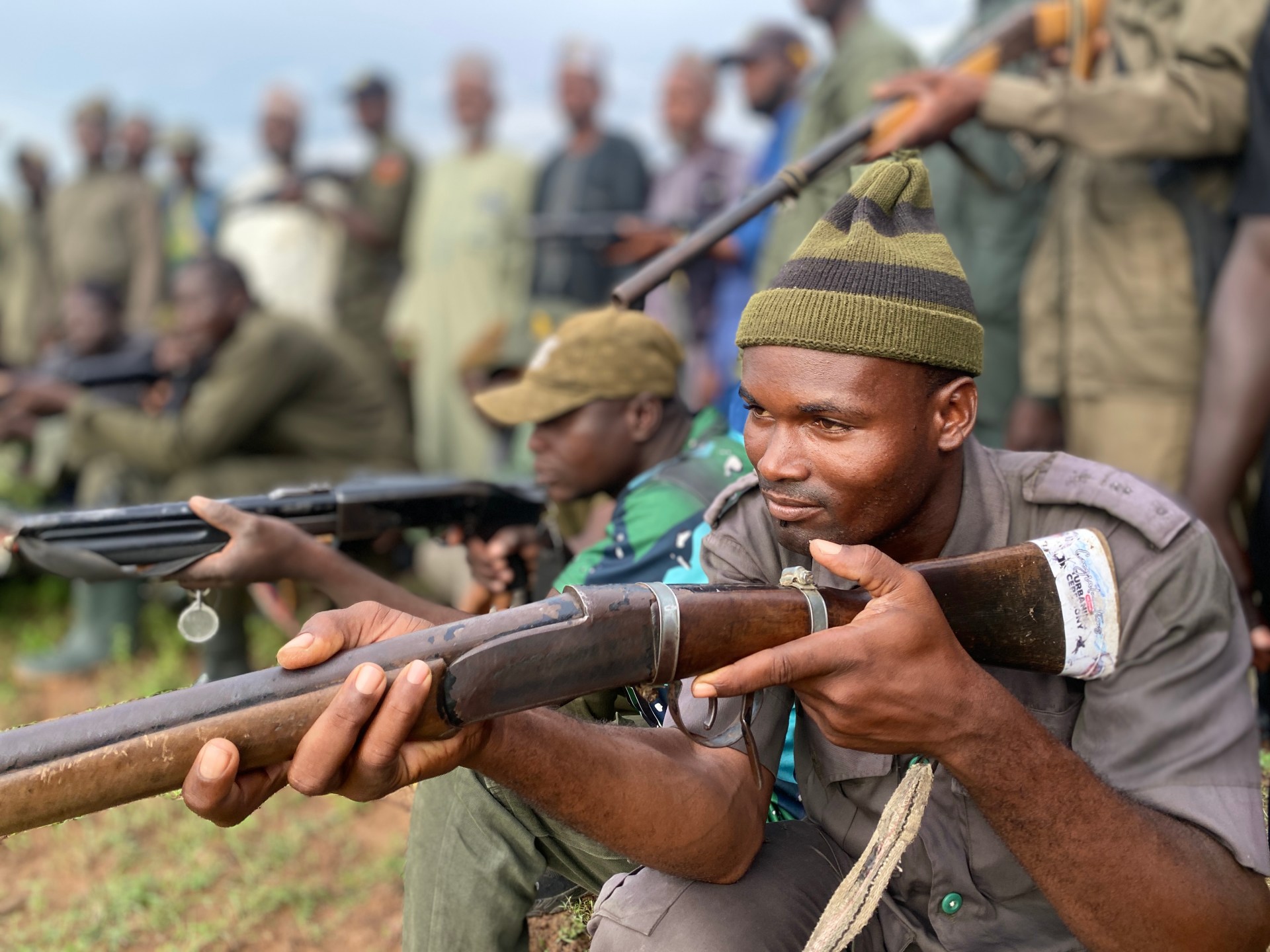
The vigilante group known as Pulaku has positioned itself as a critical security force in regions plagued by kidnapping and armed criminal activity. Operating within Fulani communities across Nigeria, the organisation has worked to address security gaps where state law enforcement presence remains limited. Its members claim significant success in apprehending suspects and disrupting kidnapping networks that have terrorised rural and urban areas alike.
However, the group's growing reputation has been shadowed by serious allegations of torture, excessive force, and abuse against detainees. Human rights organisations and local witnesses have documented accounts of brutal treatment meted out to individuals in Pulaku custody. These allegations have intensified scrutiny of the vigilante group's operations and raised questions about accountability mechanisms within non-state security actors.
The contradictory nature of Pulaku's activities reflects broader tensions across Nigeria between the demand for enhanced security and the protection of fundamental human rights. Security officials have acknowledged the group's role in addressing violent crime, yet legal experts warn that extrajudicial methods undermine the rule of law and risk perpetuating cycles of violence. The situation underscores the challenges facing nations where state security forces struggle to maintain order, creating space for vigilante organisations to fill the void.
Civil society groups have called for investigations into the allegations and greater oversight of vigilante operations. Government authorities have indicated awareness of the concerns but have provided limited details on concrete steps to address potential abuses. The case highlights the complex security landscape in Nigeria, where community-based enforcement intersects with concerns over justice and accountability.