World · World News Bureau
Nissan pivots to plug-in hybrids to revive China operations
The Japanese automaker is shifting strategy in its crucial Chinese market, betting on plug-in hybrid technology to reverse declining sales as it faces intensifying competition from domestic and international rivals.
LSN World News ·
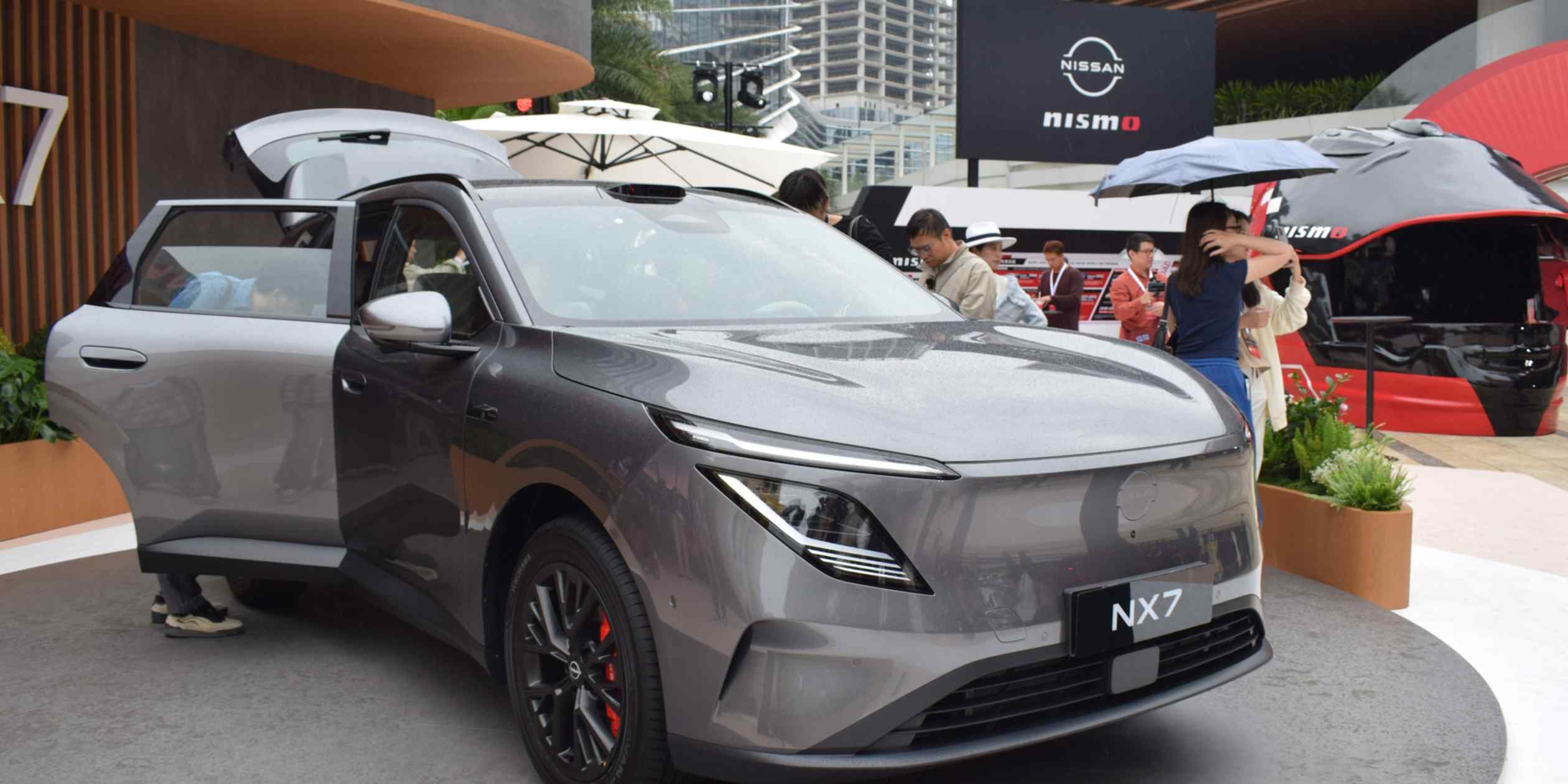
Nissan Motor is recalibrating its approach to China's automotive market, increasingly emphasizing plug-in hybrid vehicles as a strategy to arrest falling sales and regain market share. The pivot reflects the company's recognition that pure battery-electric vehicles alone may not be sufficient to compete effectively in the world's largest car market, where consumer preferences remain diverse and charging infrastructure continues to develop unevenly.
The Japanese automaker has struggled in China in recent years, with sales declining amid aggressive competition from both established foreign manufacturers and rising domestic producers. By concentrating resources on plug-in hybrid technology, which combines internal combustion engines with electric powertrains, Nissan aims to offer consumers a transitional option that addresses range anxiety while meeting increasingly stringent emissions standards.
Plug-in hybrids have gained significant traction in China, where they represent a middle ground between conventional vehicles and fully electric models. The technology appeals to consumers in regions with less developed charging networks and to those seeking flexibility in their driving patterns, potentially allowing Nissan to capture market segments that remain reluctant to commit fully to electric mobility.
The strategy underscores broader industry trends as automakers respond to varied consumer demands across Asia's diverse markets. While China continues advancing its electric vehicle transition, manufacturers are recognizing that a diversified product portfolio remains essential to maintaining competitiveness during this period of technological transformation.