Politics · India Bureau
No automatic right to reserved seats, Supreme Court clarifies on rotation
The Supreme Court has ruled that neither voters nor candidates can claim an inherent entitlement to have a particular constituency reserved for scheduled castes or scheduled tribes. The judgment addresses the discretionary powers of state governments in rotating reserved seats during local body elections.
LSN India ·
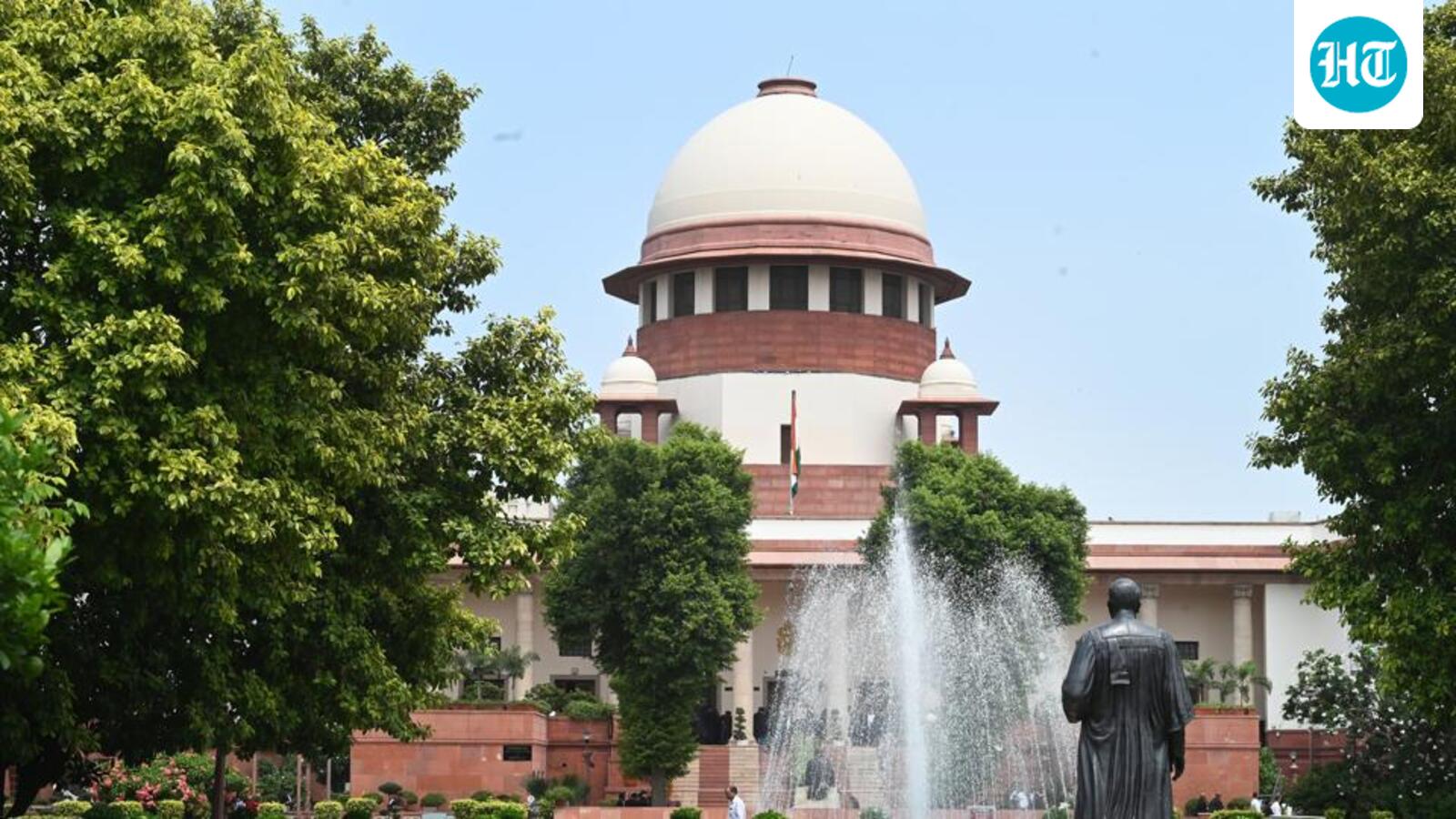
The Supreme Court of India has dismissed the notion that any voter or candidate possesses a vested right to contest from a reserved constituency, settling a key question about electoral reservations in local governance structures.
In its ruling, the court emphasized that the rotation of reserved seats across constituencies during municipal and panchayat elections remains primarily within the purview of state governments. This discretionary authority allows states to determine the mechanism and timing of such rotations as per constitutional provisions and electoral regulations.
The judgment carries significant implications for local body elections held periodically across Indian states. Reserved constituencies, established to ensure representation of scheduled castes and scheduled tribes in democratic institutions, have often been a subject of legal contests and political deliberation regarding their allocation and rotation.
The court's pronouncement clarifies that while reservation remains a constitutional right aimed at ensuring adequate representation, the specific implementation details—including which seats get reserved in each electoral cycle—fall within executive and legislative competence of state authorities rather than being automatic or immutable.
This ruling is expected to provide legal clarity to election commissions and state governments in the conduct of local body elections and the administration of reservation policies in local governance structures.