World · India Bureau
No Clear Majority in Israeli Election; Coalition Talks Begin
Israeli voters delivered a fragmented parliament in elections, with no single bloc securing the 61 seats needed to form a government. Early results show Prime Minister Benjamin Netanyahu's coalition holding 53 seats while opposition leader Benny Gantz's bloc secured 48, setting the stage for complex coalition negotiations.
LSN India ·
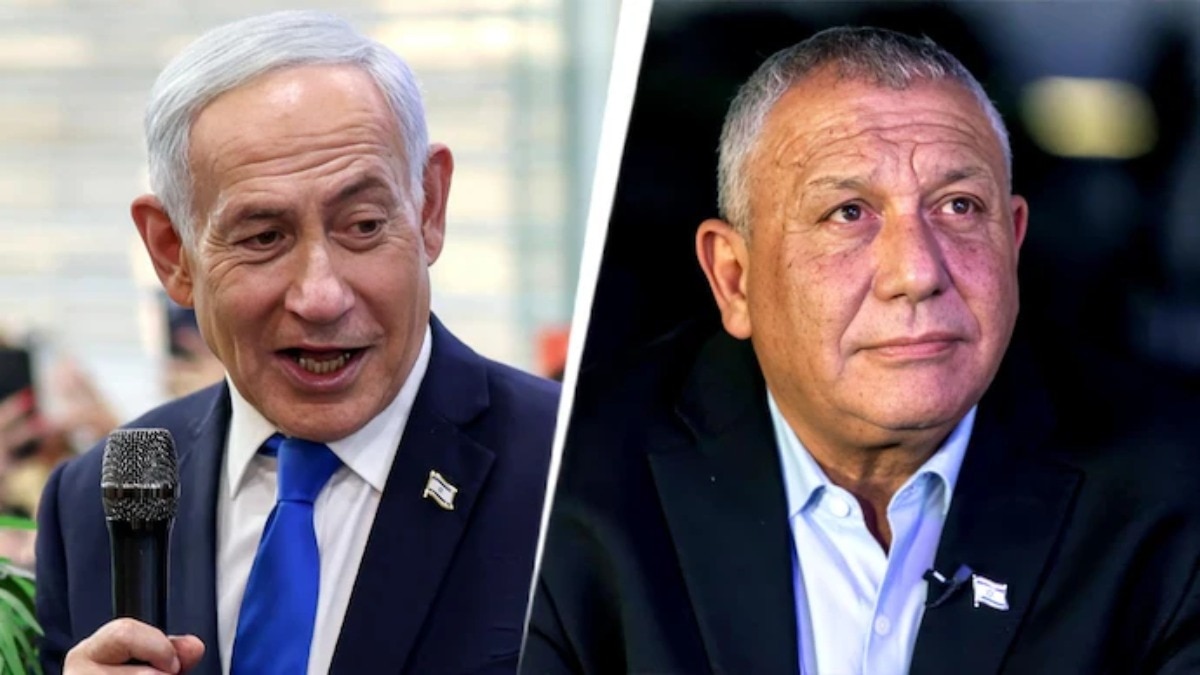
Initial election results in Israel have left the country's political landscape fractured, with neither the pro-Netanyahu nor opposition blocs commanding an outright majority in the 120-seat Knesset. Netanyahu's Likud party emerged as the largest single party with 27 seats, though this represents a loss of five seats compared to the 2022 elections. The complete Netanyahu-aligned coalition holds 53 seats, falling short of the 61 required to form a government.
The opposition alliance led by Benny Gantz gathered 48 seats combined, leaving both major blocs dependent on negotiations with smaller parties and independent lawmakers to reach a governing majority. Meanwhile, Arab parties achieved a historic result, securing 19 seats—the highest number ever won by Arab-led political groups in Israeli parliament.
The election reflected deep divisions within Israeli society along geographic and political lines. Turnout reached approximately 78 percent, indicating significant voter engagement despite the contentious political environment. Smaller right-wing, religious, and centrist parties will likely play crucial roles in determining which coalition succeeds in forming the next government.
Negotiations between potential coalition partners are expected to begin immediately, with the President traditionally designating a party leader to attempt government formation. The process could prove protracted given the narrow margins and competing demands of various political factions.