World · Malaysia Bureau
No Constitutional Requirement for Attorney-General to Meet Agong, Says Umno
The Umno secretary-general has clarified that the federal constitution does not mandate the Attorney-General to appear before the Agong regarding matters of royal pardon. Asyraf Wajdi Dusuki stated that the power to grant pardons rests solely with the monarch and is exercised through established clemency mechanisms.
LSN Malaysia ·
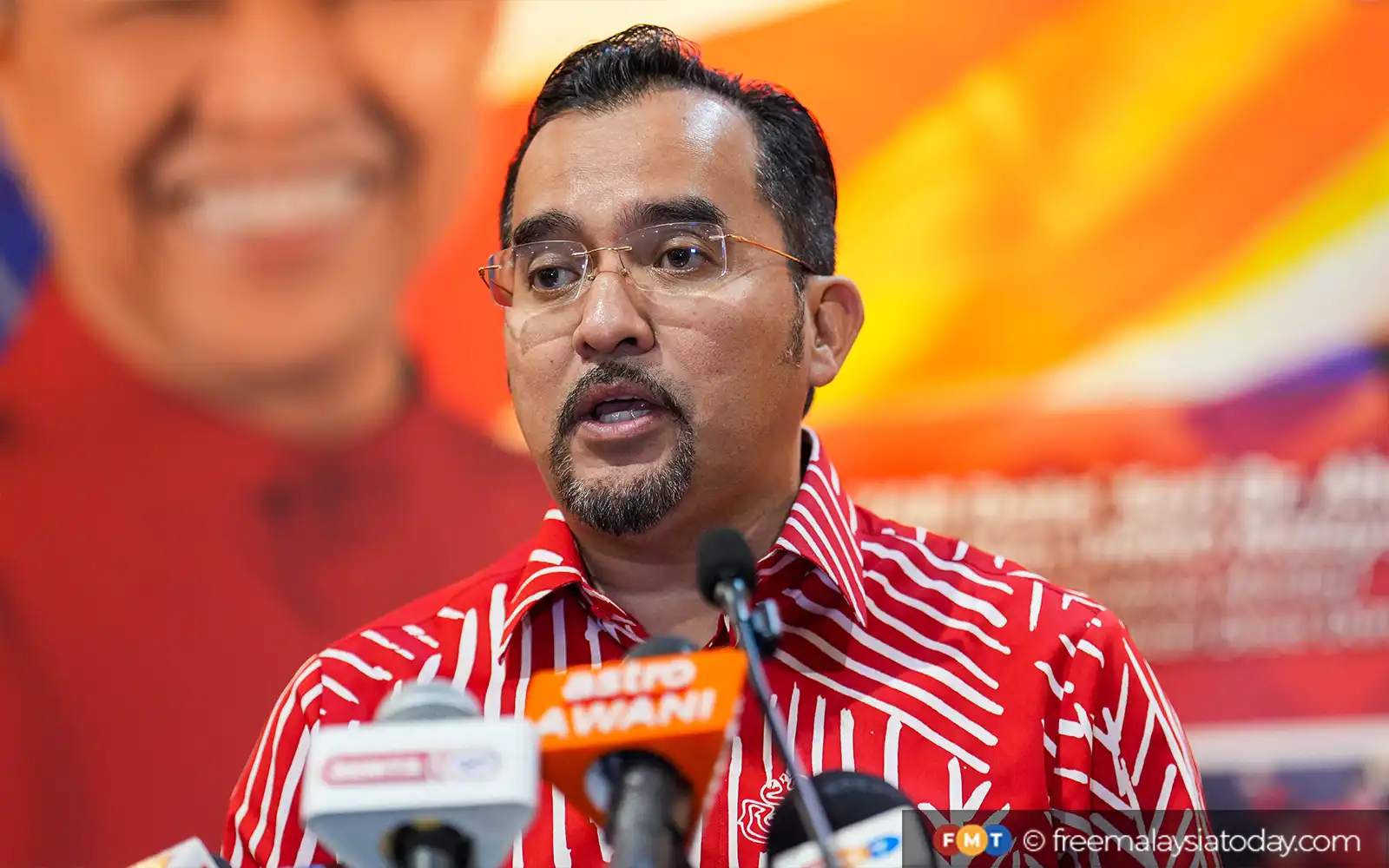
Asyraf Wajdi Dusuki, the Umno secretary-general, has addressed constitutional questions surrounding the Attorney-General's interaction with the Agong on matters of clemency. According to Asyraf, the federal constitution allocates the prerogative of pardons exclusively to the Yang di-Pertuan Agong, with no requirement for the Attorney-General to directly present cases before the monarch.
The clarification comes as the party sought to explain the constitutional division of powers regarding pardons and clemency matters. Asyraf emphasized that pardons fall within the Agong's constitutional authority and are administered through the established royal pardon committee, a formal institution designed to handle such proceedings.
Under Malaysia's constitutional framework, the mechanism for granting pardons involves a dedicated committee that reviews and recommends cases for royal clemency. This structured approach ensures that decisions on pardons are made through proper institutional channels rather than requiring direct intervention from the Attorney-General before the monarch.
The statement underscores the distinction between the Attorney-General's prosecutorial role and the Agong's separate constitutional power to exercise mercy. This separation of function reflects Malaysia's constitutional design, which vests certain executive powers in the royal institution independently of the Attorney-General's office.