World · India Bureau
Nobel Chemistry Prize Awarded for Breakthrough in Molecular Asymmetry
The Nobel Prize in Chemistry has been awarded to Henri B. Kagan and Kenso Soai for their pioneering work in solving a fundamental chemical puzzle involving asymmetric molecular synthesis. Their discoveries have wide-ranging applications in pharmaceutical and chemical manufacturing industries.
LSN India ·
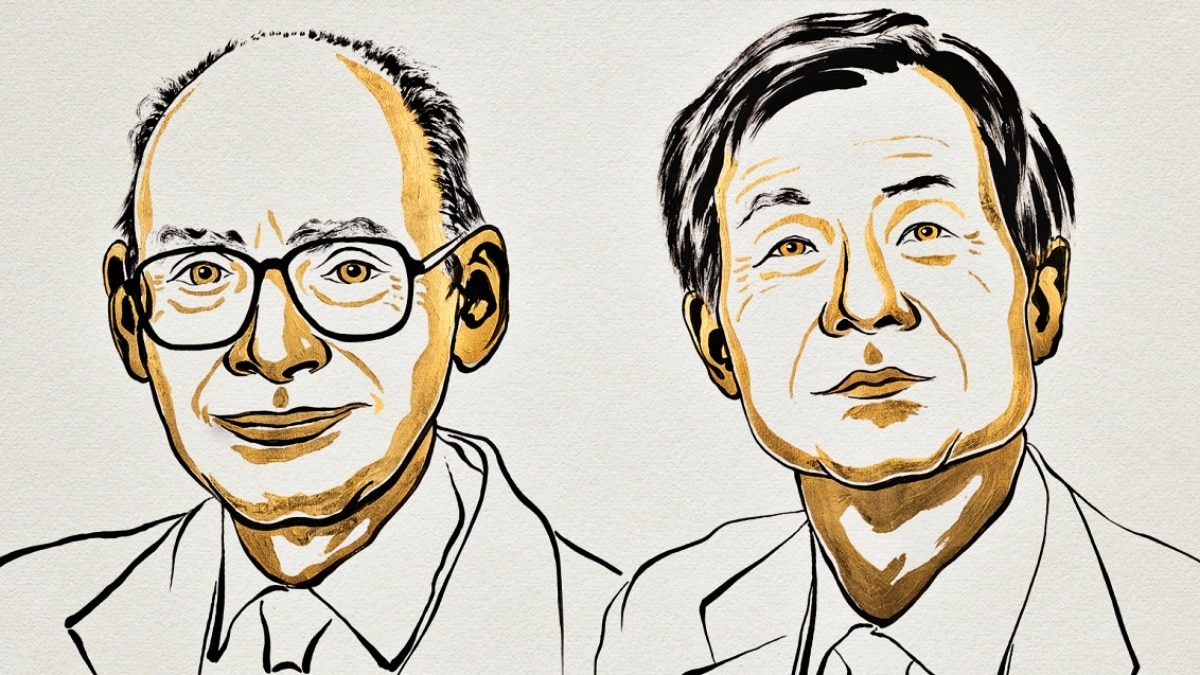
The Royal Swedish Academy of Sciences announced that Henri B. Kagan and Kenso Soai have been jointly awarded the 2023 Nobel Prize in Chemistry for their contributions to asymmetric synthesis, a field that has transformed how scientists create complex molecules with specific three-dimensional structures.
Asymmetric synthesis addresses one of chemistry's enduring challenges: the ability to produce molecules in their preferred molecular handedness, or chirality. This distinction is crucial in pharmaceutical development, as different molecular configurations of the same compound can have vastly different biological effects. Kagan and Soai's work provided critical methodologies that enabled more efficient and selective synthesis of these chiral molecules.
The recognition underscores the importance of their research to modern drug development and manufacturing. Their techniques have enabled chemists worldwide to produce medicines and materials with greater precision and efficiency, reducing waste in chemical production processes and improving the efficacy of pharmaceutical compounds.
This award highlights the continuing significance of fundamental chemical research in addressing practical problems across industries. The methodologies developed by the laureates have become indispensable tools in laboratories globally, influencing the synthesis of numerous compounds used in everyday medications and industrial applications throughout Asia and beyond.