Politics · Singapore Bureau
Nobel laureate Pillay brings ICC expertise to global justice role
South African jurist Navanethem Pillay has been recognised with the Nobel Peace Prize, drawing attention to her extensive work with international courts including the International Criminal Court. Her career highlights the growing importance of multilateral judicial institutions in addressing global crimes.
LSN Singapore ·
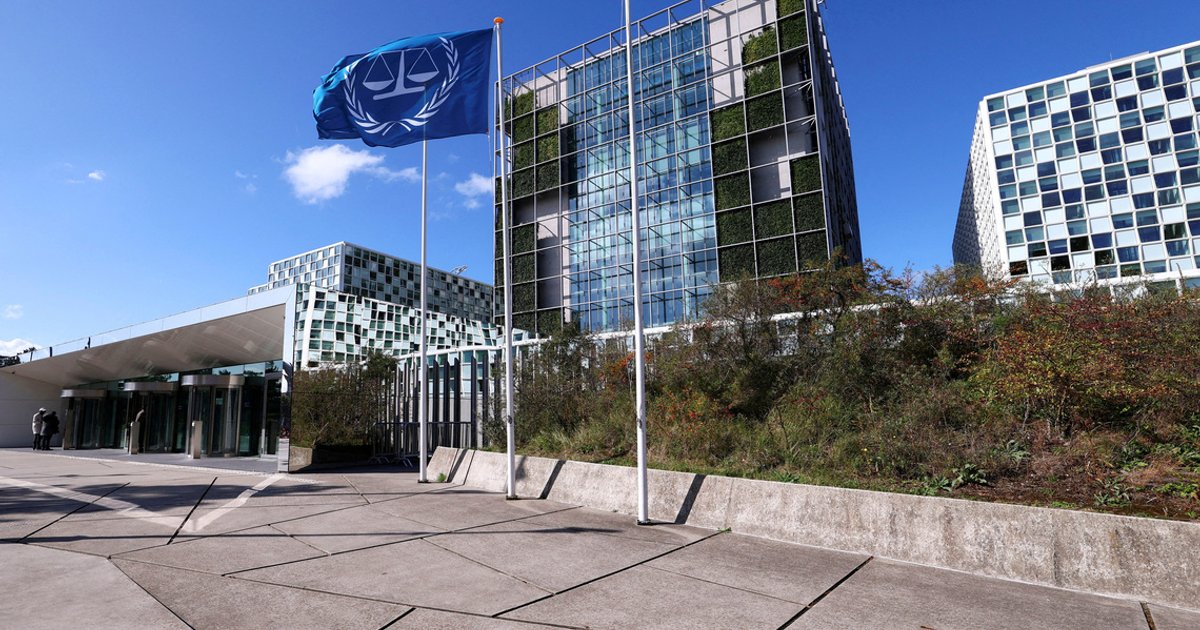
Navanethem "Navi" Pillay, a South African judge who was awarded the Nobel Peace Prize on Friday, has served on several international judicial bodies throughout her career. Her appointment to the International Criminal Court underscores the institution's role in prosecuting crimes of global significance.
The International Criminal Court, based in The Hague, Netherlands, serves as a permanent tribunal established to investigate and prosecute individuals accused of committing the world's most serious crimes. These include genocide, crimes against humanity, war crimes, and aggression. Unlike temporary tribunals created for specific conflicts, the ICC provides a standing institution available to address international crimes across all nations and regions.
The court operates under the Rome Statute, a treaty adopted in 1998 that has been ratified by numerous countries worldwide. Member states agree to cooperate with investigations and surrender suspects to ICC custody when required. The institution aims to end impunity for perpetrators of mass atrocities and complement domestic legal systems that may be unwilling or unable to prosecute such crimes.
Judges like Pillay bring extensive experience from national and international legal systems to their work at the ICC, contributing to its legitimacy and effectiveness in pursuing justice. The court's existence reflects the international community's commitment to accountability for serious crimes, though its operations and enforcement mechanisms remain subjects of ongoing debate among nations.