Sport · World News Bureau
Nobel Prize honours breakthrough in mapping brain's cellular activity
Three neuroscientists have received the prestigious award for developing revolutionary techniques to control and observe individual brain cells. The prize recognises their work in optogenetics, a technology that uses light to study neural function.
LSN World News ·
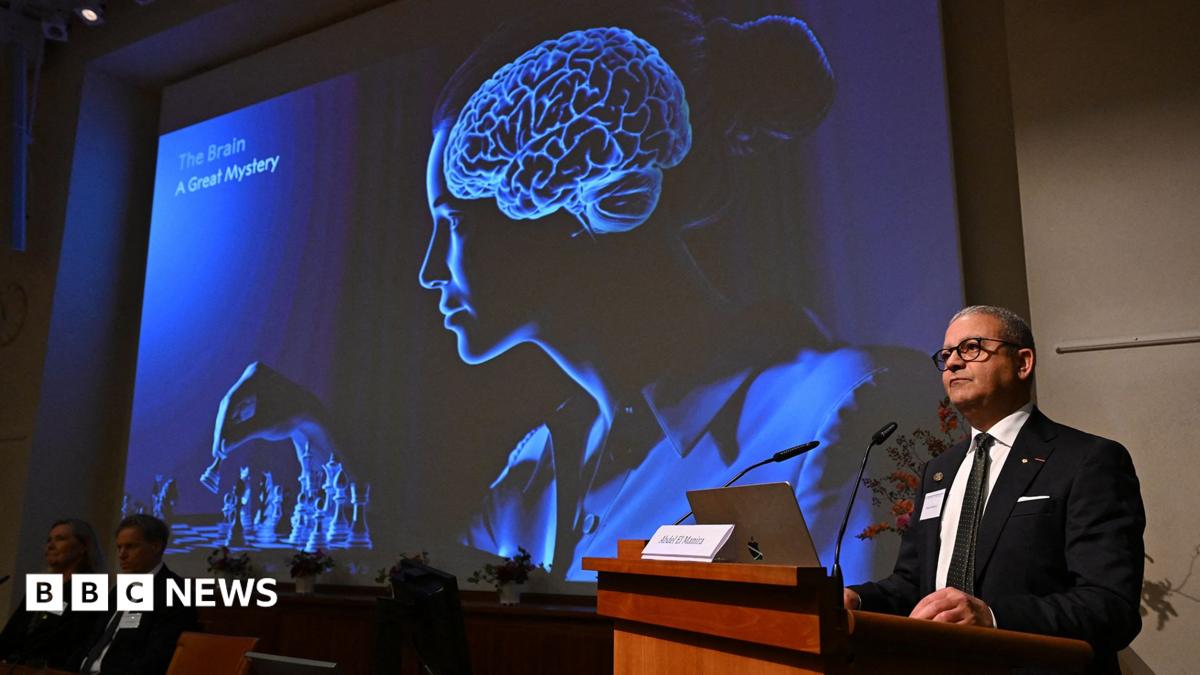
The 2024 Nobel Prize in Physiology or Medicine has been awarded to Karl Deisseroth of the United States, Peter Hegemann of Germany, and Georg Nagel, also of Germany, for their pioneering contributions to understanding how the brain operates at the cellular level.
The trio developed optogenetics, a transformative method that combines genetics and optics to selectively control and monitor individual neurons using light pulses. This technique has enabled researchers worldwide to investigate the precise mechanisms underlying brain function and neurological disorders with unprecedented precision.
Deisseroth, a psychiatrist and neurologist, led the development of tools to activate specific brain cells with light, while Hegemann and Nagel identified and characterised light-sensitive proteins from microorganisms that form the basis of the technology. These proteins can be introduced into brain cells, allowing scientists to switch neural activity on and off with millisecond timing.
The breakthrough has profound implications for neuroscience and medicine. Researchers now use optogenetics to study brain circuits involved in movement, memory, pain perception, and mood regulation. The technique has also illuminated potential pathways for treating neuropsychiatric conditions and neurological diseases.
The Nobel Committee recognised the work as fundamental to advancing our comprehension of how billions of interconnected neurons generate thought, emotion, and behaviour. The award underscores the significance of optogenetics in reshaping modern neuroscience research and clinical medicine.