World · India Bureau
Nobel Prize in Physiology or Medicine awarded for optogenetics breakthrough
Karl Deisseroth, Peter Hegemann and Georg Nagel have been awarded the 2026 Nobel Prize in Physiology or Medicine for their development of optogenetics, a revolutionary technique that uses light to control genetically modified neurons.
LSN India ·
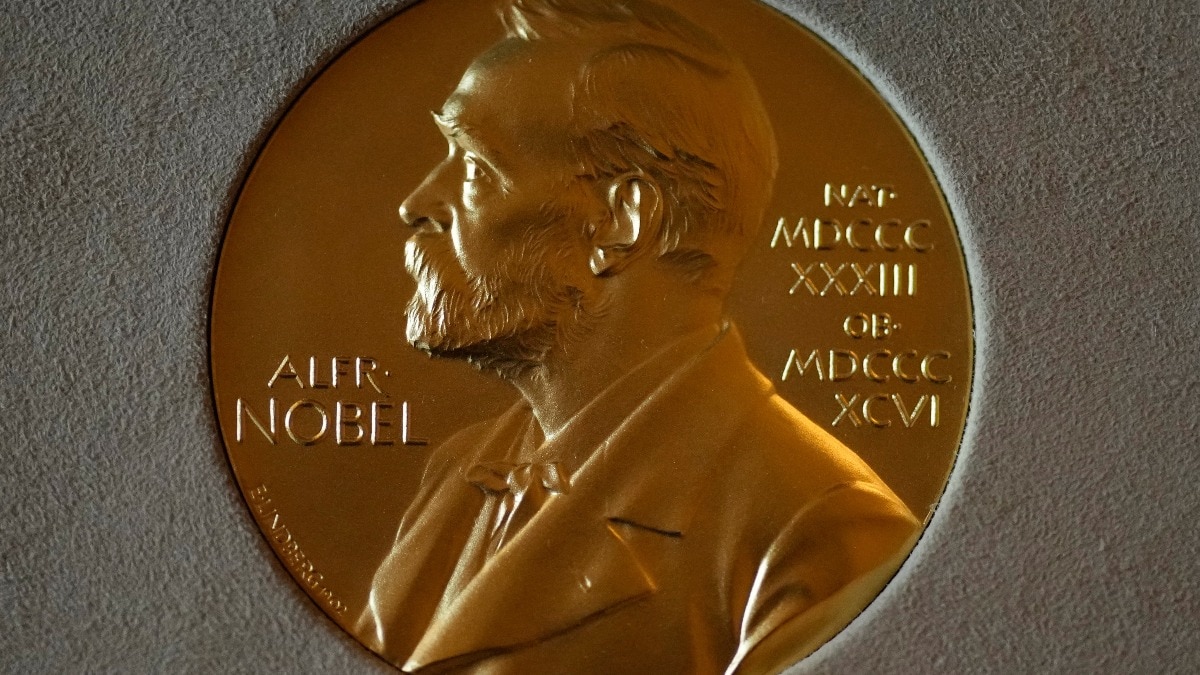
The Nobel Assembly at the Karolinska Institute in Stockholm announced the award to three scientists whose work has transformed neuroscience research and opened new avenues for treating neurological disorders. The 2026 Nobel Prize in Physiology or Medicine recognises their pioneering contributions to optogenetics, a method that enables precise control of nerve cells using light.
Karl Deisseroth of Stanford University developed the foundational techniques for optogenetics by combining genetic engineering with optical methods to control neuronal activity. Peter Hegemann and Georg Nagel discovered channelrhodopsin, a light-sensitive protein found in algae that forms the molecular basis of the technology. Their work laid the groundwork for the field that has since become integral to modern neuroscience.
Optogenetics allows researchers to selectively activate or silence specific neurons in living tissue with millisecond precision by exposing them to pulses of light. This capability has enabled scientists to map neural circuits, understand brain function, and investigate the neural basis of behaviour, learning, and memory. The technique has also shown promise in preclinical studies for potential therapeutic applications in treating conditions such as Parkinson's disease, blindness, and epilepsy.
The laureates' contributions have made optogenetics one of the most influential tools in contemporary life sciences, facilitating discoveries that would have been impossible with conventional neuroscience methods. Their work exemplifies how fundamental research in molecular biology can yield transformative applications in medicine and neuroscience.