World · India Bureau
Nobel-winning optogenetics technique finds fresh applications in parasite research
Researchers at BITS Pilani are exploring how optogenetics—the Nobel Prize-winning technique of using light to control biological processes—can advance parasite research and disease understanding in India.
LSN India ·
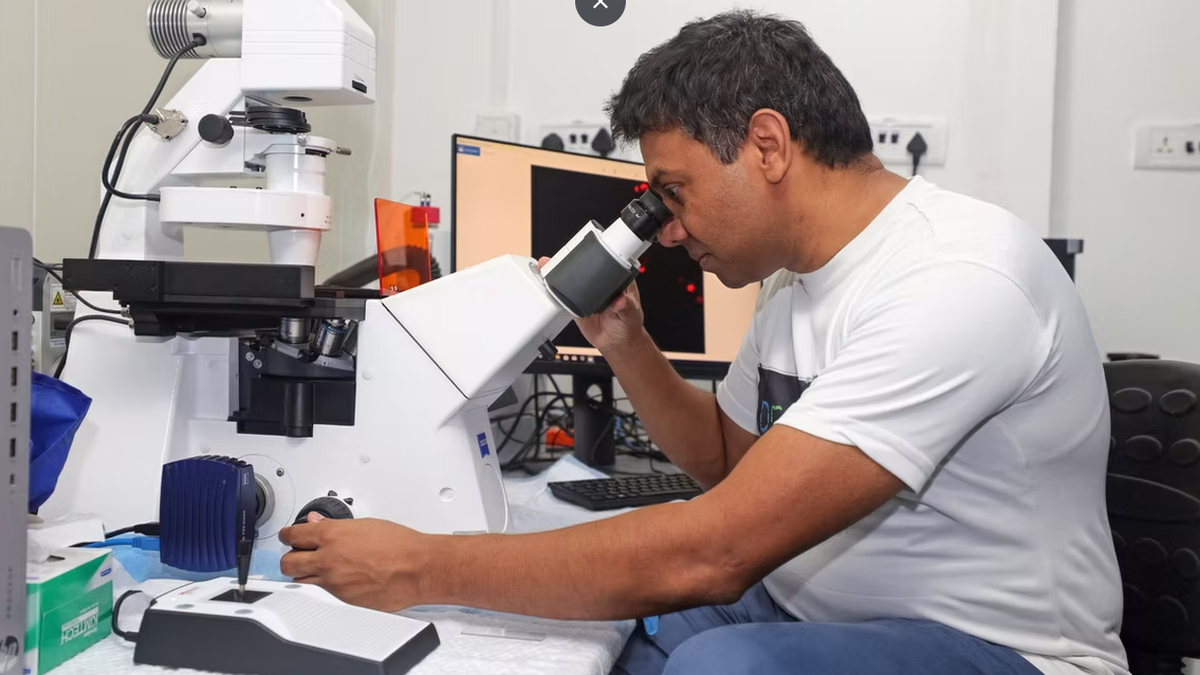
Light-based interventions are transforming how scientists study disease mechanisms and biological systems, offering new possibilities for parasitology research in India. The optogenetics technique, which enables researchers to manipulate cellular activity using light, has opened avenues beyond its original applications in neuroscience, according to experts working on emerging applications in the country.
At BITS Pilani's Department of Biological Sciences, researchers are investigating how these light-activated tools can be adapted for parasite studies, particularly relevant given India's burden of parasitic diseases. The approach allows scientists to precisely control and observe cause-and-effect relationships at the cellular level, providing insights that traditional observation methods cannot yield.
"Light has become more than a means of observation; it is a way to intervene, test, and uncover cause-and-effect relationships," said Nishith Gupta, professor of Biological Sciences at BITS Pilani. This shift in perspective is enabling researchers to ask new questions about parasite biology and host-pathogen interactions.
The application of optogenetics to parasitology represents a convergence of Nobel Prize-winning neuroscience techniques with tropical medicine research, reflecting India's growing capacity to adopt cutting-edge methodologies for locally relevant health challenges. As the technique gains traction in Indian research institutions, it could enhance understanding of parasitic diseases and potentially accelerate drug development efforts.