Culture & Entertainment · India Bureau
Noida Schools Shift to Hybrid Model for Primary Classes as Air Quality Deteriorates
Educational institutions in Noida have announced a transition to hybrid learning for students up to Class 5 in response to escalating air pollution levels in the National Capital Region. The decision aims to limit children's exposure to hazardous outdoor conditions during peak pollution seasons.
LSN India ·
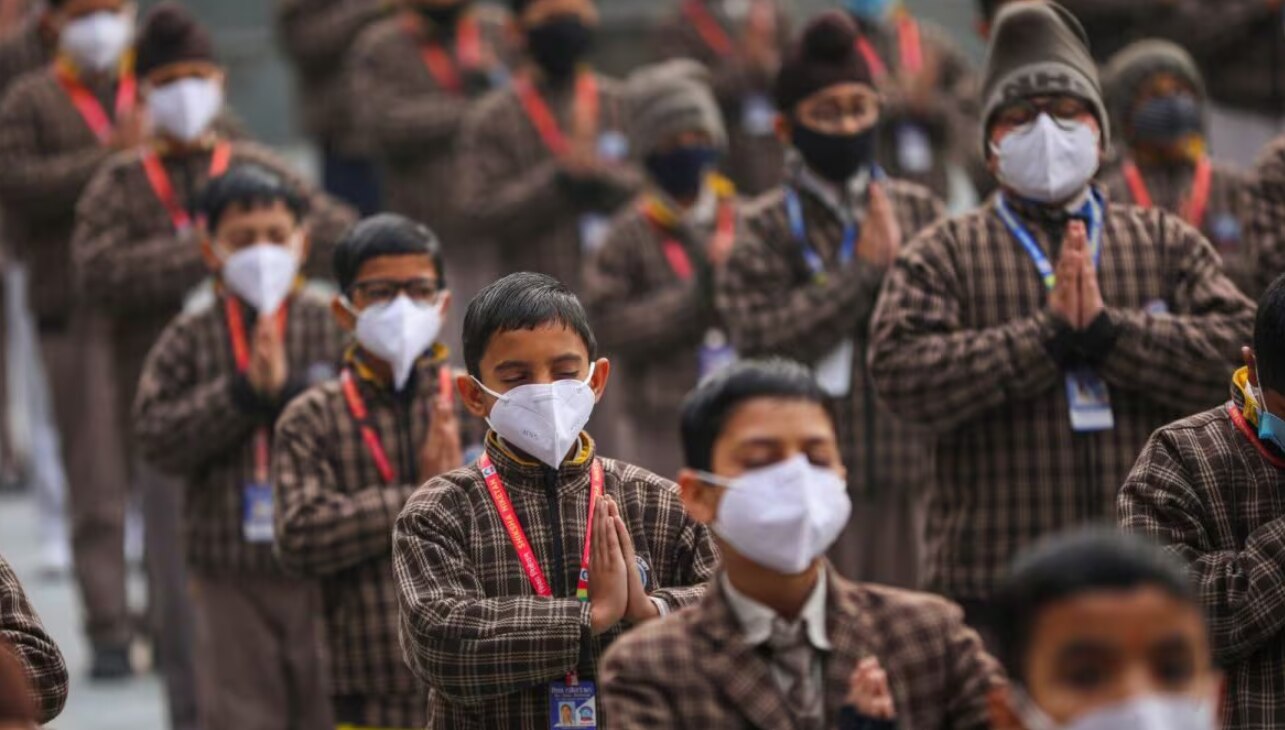
Schools across Noida have initiated a hybrid teaching arrangement for junior classes as air quality indices continue to rise to concerning levels. The shift affects students from kindergarten through Class 5, allowing them to alternate between in-campus and remote learning sessions as pollution readings fluctuate.
The move reflects growing concerns among educational administrators and parents regarding the health implications of prolonged exposure to polluted air, particularly for younger students whose respiratory systems remain developing. School authorities have coordinated the staggered schedule to ensure continuity of academic instruction while minimizing outdoor exposure during periods of severe air quality degradation.
National Capital Region schools have increasingly adopted such flexible models during pollution spikes, with several state governments issuing advisories recommending reduced physical attendance and outdoor activities when air quality index readings exceed hazardous thresholds. The hybrid approach allows institutions to maintain educational momentum while safeguarding student welfare.
Parents and educators have welcomed the initiative, though concerns persist about the long-term impact of recurring air quality crises on academic performance and student health. Education officials continue monitoring air quality forecasts to adjust operational schedules accordingly.