Culture & Entertainment · India Bureau
Non-academic duties increasingly divert teachers from classroom responsibilities
Teachers across India's schools and colleges are being burdened with a growing list of non-teaching assignments, with the latest administrative task further eroding time spent on core educational activities. The practice threatens to diminish the quality of instruction as educators juggle competing demands.
LSN India ·
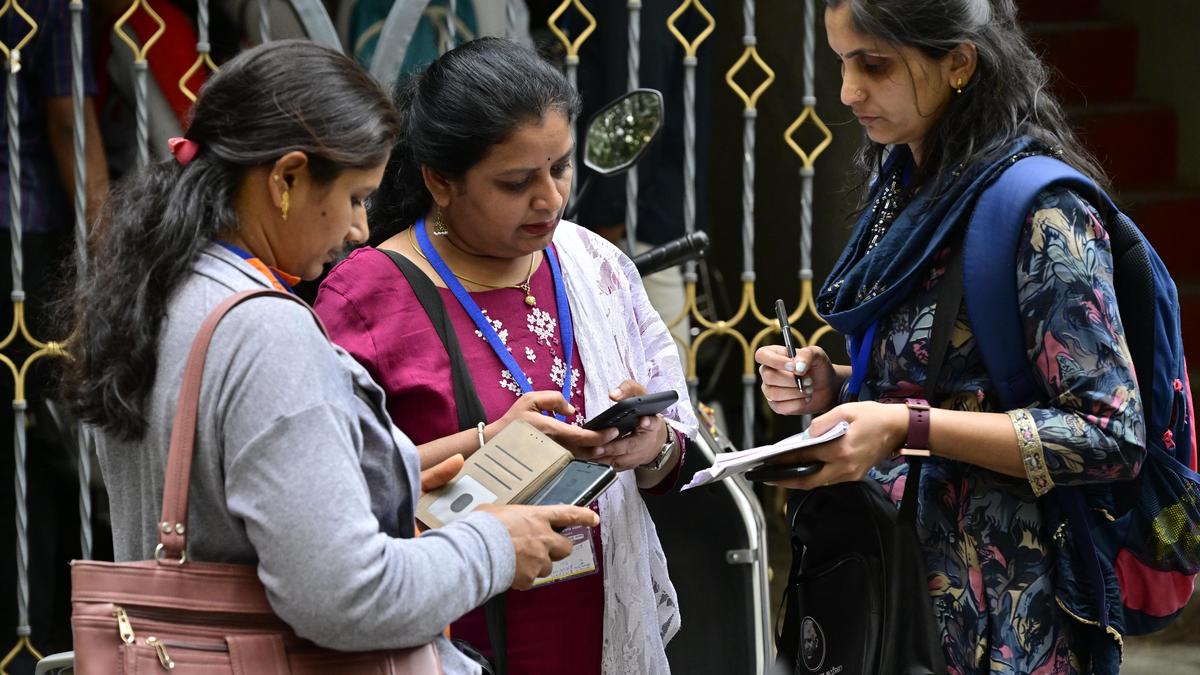
Educational institutions across India continue to assign teachers responsibilities far removed from their primary duty of classroom instruction. From administrative data collection to survey implementation, these ancillary tasks have become a persistent drain on teaching time and resources.
The latest addition to this expanding list is the Student Incident Report (SIR) system, which has added another layer of non-academic work to teacher schedules. Such assignments, while often intended to serve institutional or governmental objectives, have come at a measurable cost to classroom engagement and student instruction time.
Educators report that the cumulative effect of these obligations has significantly reduced their capacity to focus on core teaching responsibilities. Schools and colleges increasingly find their teaching staff consumed by administrative and compliance-related work, pulling attention away from lesson preparation, student interaction, and curriculum delivery.
The pattern reflects a broader challenge facing India's education sector, where teachers are frequently mobilized for purposes beyond their training and expertise. Education administrators and policymakers face mounting pressure to reconsider the allocation of non-academic tasks, recognizing that excessive workload outside the classroom may ultimately undermine educational quality and institutional effectiveness.