World · Singapore Bureau
Non-invasive radiofrequency treatments gain traction for natural skin rejuvenation
Radiofrequency technology is emerging as a popular alternative to surgical procedures for addressing skin laxity and promoting collagen production. The non-invasive approach offers patients a way to achieve gradual skin tightening with minimal downtime.
LSN Singapore ·
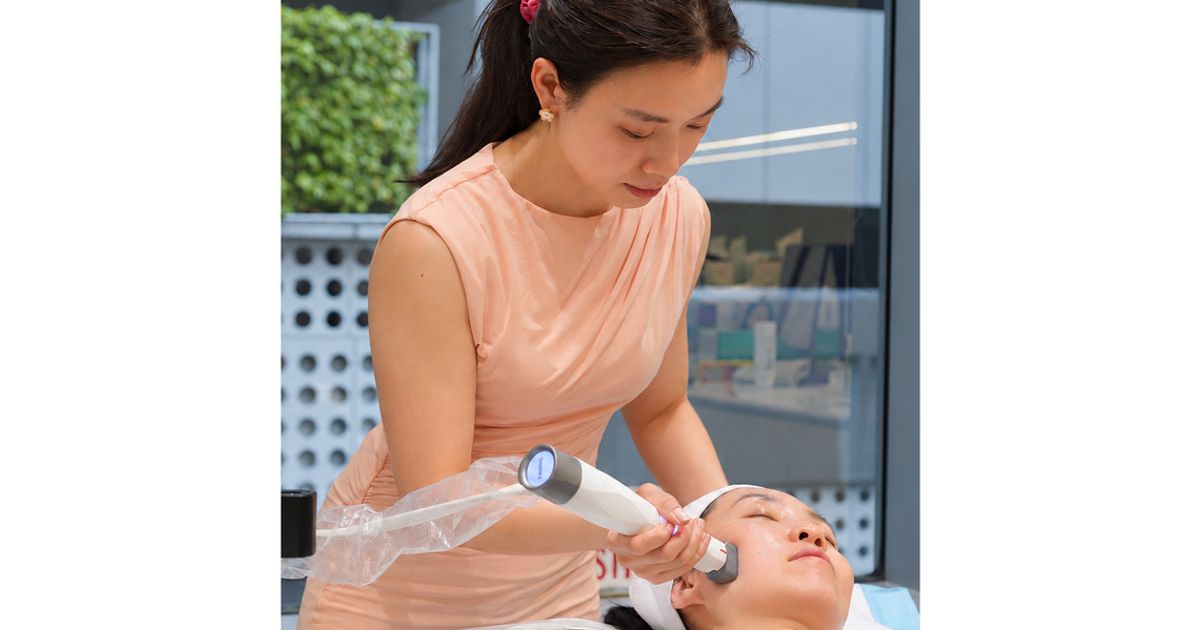
Non-invasive radiofrequency (RF) treatments are gaining recognition among dermatologists and aesthetic practitioners as an effective method for stimulating collagen regeneration and improving signs of skin ageing. Unlike surgical facelifts, RF-based procedures work by delivering controlled heat energy into deeper skin layers, triggering the body's natural collagen-building response without damaging the skin's surface.
The technology addresses common concerns including skin sagging, fine lines, and loss of elasticity that typically accompany ageing. As collagen breaks down over time, skin loses its firmness and develops a slack appearance. RF treatments aim to counteract this process by encouraging new collagen formation, resulting in gradually improved skin texture and tightness over successive sessions.
Patients typically experience minimal discomfort during treatment, with most resuming normal activities immediately afterward. Results generally develop progressively over weeks to months as collagen remodels, distinguishing the approach from more invasive procedures that produce immediate but potentially dramatic changes.
The growing popularity of RF treatments reflects broader market trends toward preventative and maintenance-focused skincare solutions. Aesthetic practitioners report steady demand from individuals seeking natural-looking improvements without the risks, recovery periods, and costs associated with surgical intervention. Regular maintenance sessions are often recommended to sustain results as the ageing process continues.