World · India Bureau
Non-vegetarian diet and heart disease risk: what doctors say
Medical experts say the link between eating non-vegetarian food and increased heart attack risk depends on several factors, including the type of meat consumed, preparation methods, portion sizes, and frequency of consumption.
LSN India ·
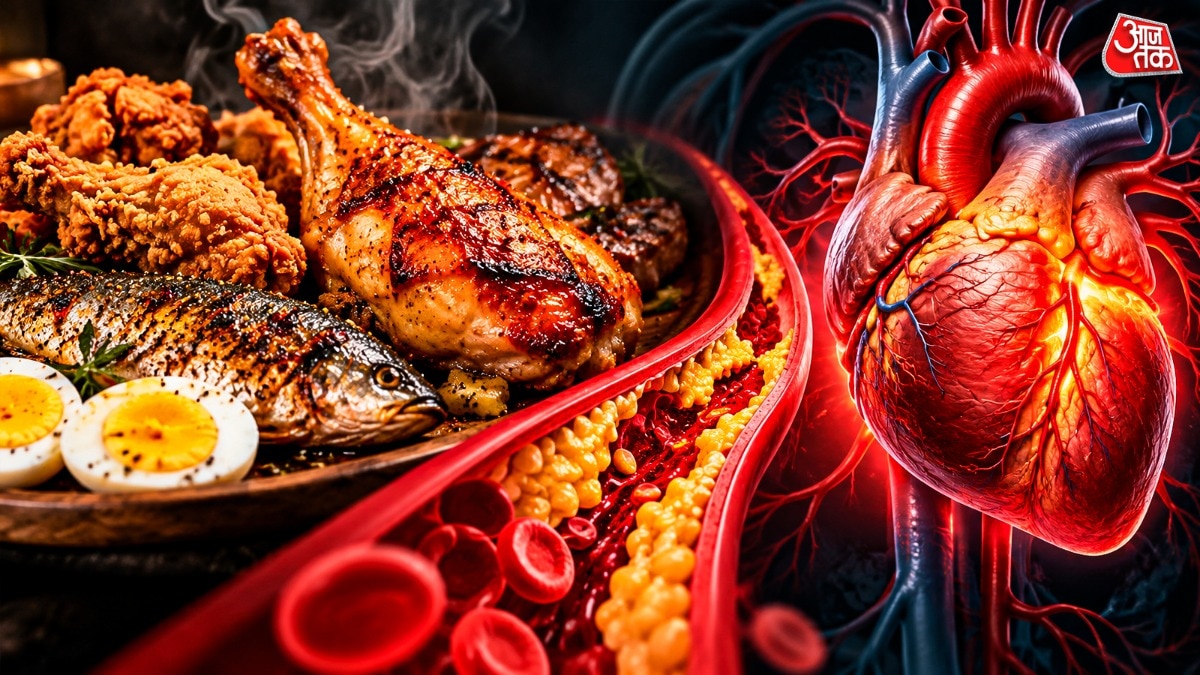
The question of whether regular non-vegetarian eaters face a higher risk of heart disease cannot be answered with a simple yes or no, according to cardiologists and nutrition specialists across India.
Physicians stress that the relationship between meat consumption and cardiovascular health is nuanced and depends on multiple variables. The type of meat matters significantly—processed meats such as sausages, bacon, and cured products carry higher health risks compared to fresh poultry or lean cuts of meat. Red meat consumption, particularly when frequent and in large quantities, has been associated with elevated cholesterol levels and increased cardiovascular strain.
Cooking methods play an equally crucial role in determining health outcomes. Grilled, boiled, or steamed preparations are considerably healthier than deep-fried or heavily buttered preparations, which add excessive saturated fats and calories. Doctors emphasize that portion control and frequency are essential—occasional consumption of properly prepared non-vegetarian dishes differs substantially from daily high-volume intake.
Medical professionals recommend that individuals concerned about heart health focus on overall dietary patterns rather than eliminating non-vegetarian foods entirely. Balancing meat consumption with vegetables, whole grains, and regular exercise, while limiting processed foods and unhealthy fats, remains the key to cardiovascular wellness. Consulting with qualified nutritionists can help individuals assess their personal risk factors and develop appropriate dietary strategies.