World · World News Bureau
Nord Stream Blasts Deepen Ukraine-Germany Rifts Over Energy Security
Explosions on Russian gas pipelines have intensified diplomatic tensions between Kyiv and Berlin, while highlighting Europe's vulnerability to energy supply disruptions. The incident has reignited debate over the strategic risks of dependency on Russian fossil fuels.
LSN World News ·
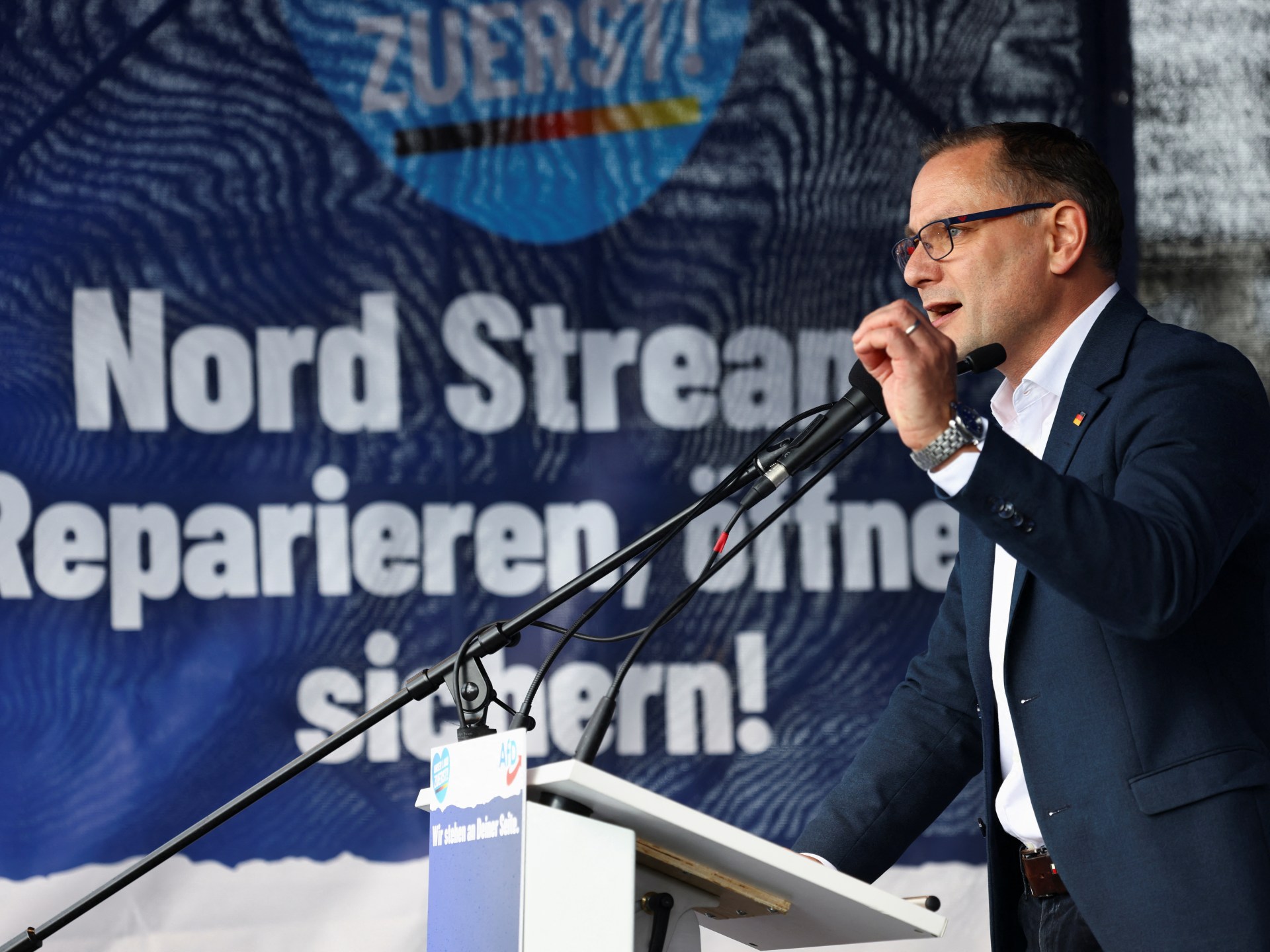
The destruction of Nord Stream infrastructure has widened existing fault lines in Ukraine-Germany relations, as Kyiv scrutinizes Berlin's past energy policies and future security commitments. The blasts have forced policymakers across Europe to confront uncomfortable questions about the continent's reliance on Russian gas supplies and the geopolitical consequences of such dependencies.
Analysts point to the pipeline incidents as a watershed moment for European energy strategy, exposing the precarious position of nations that bet heavily on Russian hydrocarbons for economic stability. The explosions have underscored how infrastructure vulnerability can become a leverage point in broader geopolitical conflicts, with implications extending far beyond bilateral trade relationships.
Germany faces mounting pressure to reconcile its historical approach to Russian energy partnerships with current security realities and the demands of its eastern neighbors. The crisis has accelerated discussions on alternative energy sources and supply routes, though long-term solutions remain complex given Europe's immediate energy needs and infrastructure constraints.
The incidents have compelled European leaders to reassess assumptions about energy independence and supply chain resilience. Policymakers are now grappling with the recognition that infrastructure decisions made in peacetime can rapidly become liabilities when geopolitical circumstances shift, a lesson that will likely shape energy policy across the region for years to come.