Politics · India Bureau
North Carolina Estate Becomes Environmental Research Hub After Decades
A 535-acre property in North Carolina's Appalachian region, originally purchased as a summer retreat over 60 years ago, has been donated to the National Park Service and transformed into a dedicated environmental science facility. The site now serves as the Appalachian Highlands Science Learning Center, supporting critical climate and biodiversity research.
LSN India ·
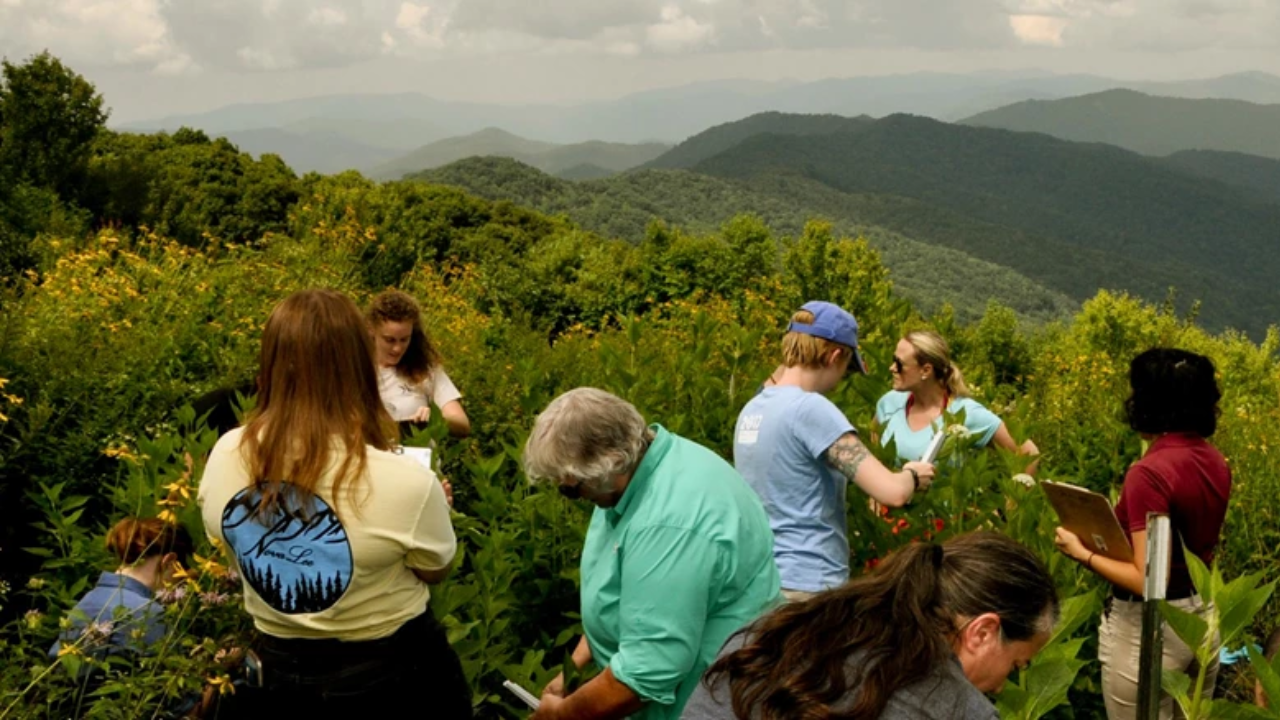
The property, acquired by a family in 1964 and developed as a seasonal residence, has entered a new chapter of service to environmental science and education. Following its donation to the National Park Service, the estate has been repurposed as the Appalachian Highlands Science Learning Center, capitalizing on its strategic location within one of North America's most ecologically significant regions.
The facility has become a focal point for scientific investigation into the effects of climate change on high-elevation ecosystems. Researchers utilize the site's position in the Appalachian highlands to study unique environmental patterns and species interactions found at elevated altitudes, contributing to broader understanding of how climate shifts affect sensitive mountain habitats.
Beyond its research functions, the center actively supports educational initiatives designed to foster environmental awareness among visitors and students. The facility enables hands-on learning experiences that connect participants directly with conservation science and ecological principles operating within the regional landscape.
The transformation represents a shift in how the property benefits the public interest. What once served as a private family retreat now functions as a resource for advancing scientific knowledge and environmental stewardship, ensuring that the site contributes meaningfully to conservation efforts and climate adaptation strategies for future generations.