World · India Bureau
North India needs unified pollution strategy, experts warn
Environmental specialists are calling for a coordinated, region-wide approach to air quality management across northern India, arguing that fragmented state-level efforts have failed to deliver meaningful results.
LSN India ·
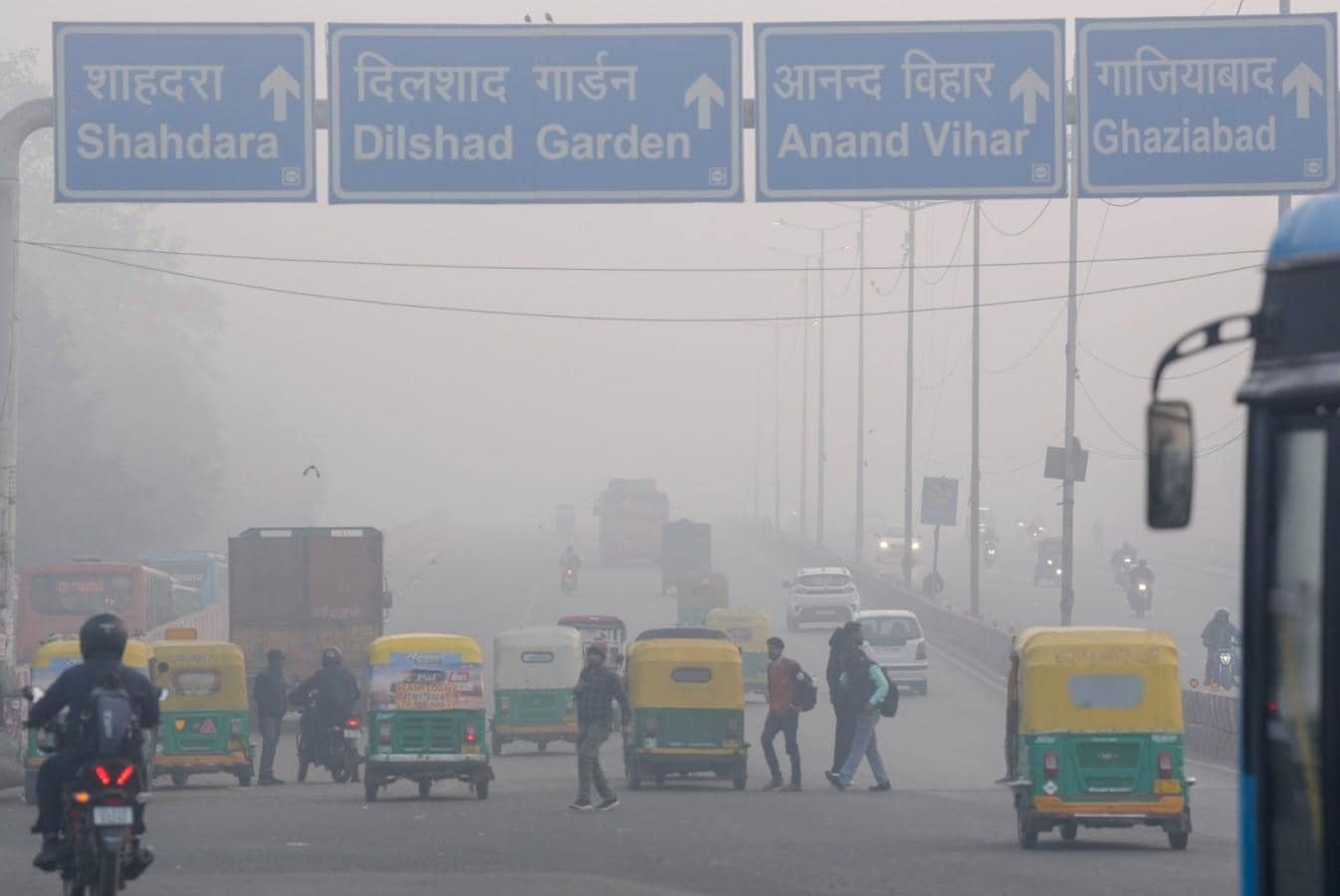
Pollution control initiatives across northern India remain hampered by the absence of a unified framework, leaving the region vulnerable to recurring air quality crises that affect millions of residents. Experts point out that current strategies operate largely in isolation, with individual states implementing measures that often lack complementary action from neighboring jurisdictions, undermining their collective effectiveness.
The geography and meteorology of northern India create inherent challenges that transcend administrative boundaries. Pollutants do not respect state lines, and seasonal wind patterns carry particulate matter across vast distances, making localized interventions insufficient without broader coordination. Agricultural burning, industrial emissions, and vehicular pollution—the primary contributors to the region's poor air quality—require simultaneous management across multiple states to produce measurable improvements.
Stakeholders are advocating for an integrated policy framework that would align emission standards, enforcement mechanisms, and monitoring systems across northern India. Such an approach would enable authorities to track pollution sources more effectively and implement targeted interventions with greater precision. The absence of such coordination has previously resulted in knee-jerk responses during crisis periods, followed by lax enforcement during calmer months.
Regional cooperation on this scale would require buy-in from multiple state governments and central authorities, along with sustained funding commitments. Experts argue that the economic and health costs of inaction far outweigh the administrative complexities of establishing a unified system. Without coordinated action, the region faces the prospect of continued air quality emergencies that impact public health, economic productivity, and environmental sustainability.