Politics · India Bureau
North Korea abandons reunification goal, signals major policy shift
North Korea has removed the pursuit of Korean reunification from its ruling party's charter, marking a dramatic departure from decades of official policy. The move signals Pyongyang's acceptance of permanent division and represents one of the most significant ideological shifts since Kim Jong-un assumed leadership.
LSN India ·
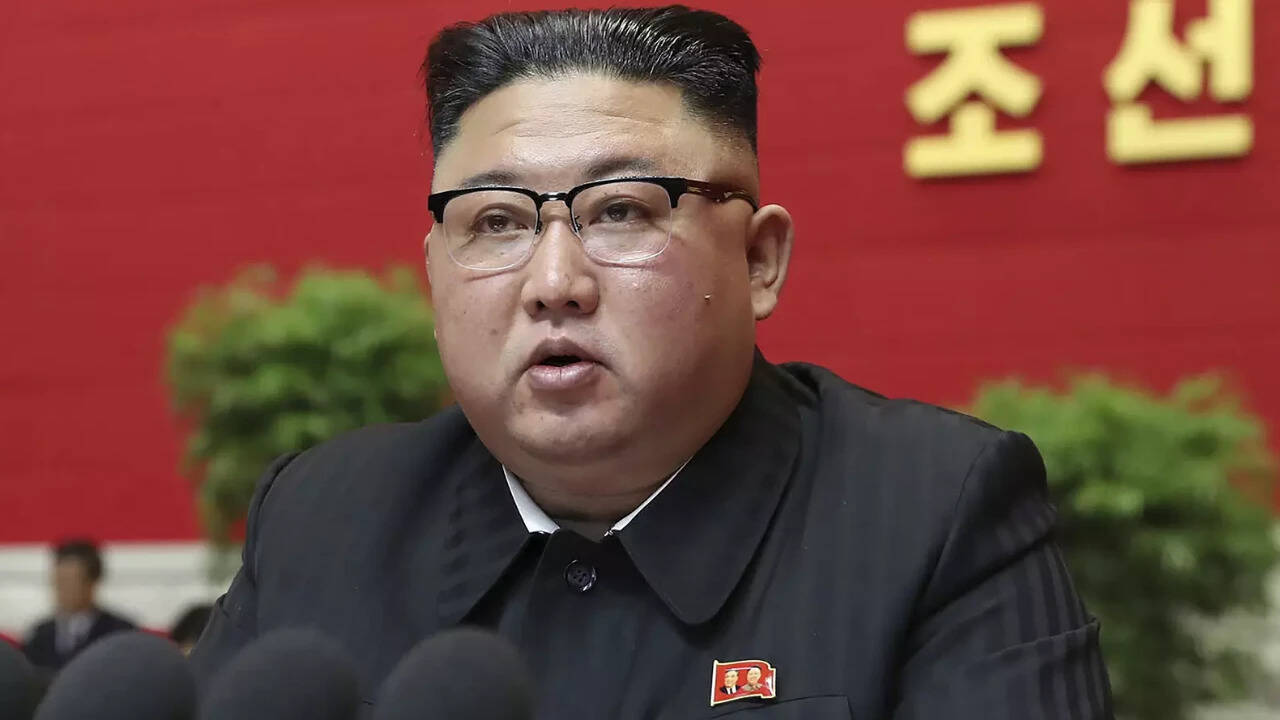
North Korea has formally eliminated the goal of Korean reunification from the Workers' Party of Korea's charter, according to official announcements from Pyongyang. The removal represents a fundamental break with a cornerstone principle that has guided the regime's ideology since the country's founding in 1948.
The decision reflects what analysts describe as a new strategic direction under Kim Jong-un's leadership, suggesting the North Korean leader has abandoned hopes of achieving unification through negotiation or other means. Instead, the revised charter appears to cement recognition of the Korean peninsula's permanent division, with North Korea focusing resources on strengthening its own state apparatus and nuclear capabilities.
This policy shift carries significant implications for inter-Korean relations and regional stability. For decades, reunification has served as a unifying theme in North Korean propaganda and diplomatic messaging. The formal renunciation of this goal removes a rhetorical bridge that previously connected Pyongyang to Seoul, potentially further isolating the North and deepening tensions on the peninsula.
Expertssuggest the move reflects practical realities facing the regime: escalating economic hardship, international sanctions, and the consolidation of Kim Jong-un's control. By reframing the state's core mission away from reunification, Pyongyang may be attempting to justify its continued focus on military development and nuclear armament to its population.
The charter revision underscores how North Korean leadership has increasingly prioritized regime survival and security over traditional unification rhetoric, marking a decisive break with the ideological framework that defined previous eras of Kim family rule.