World · Singapore Bureau
North Korea defections plummet as regime tightens border controls
Escape attempts from North Korea have reached historic lows as leader Kim Jong Un implements increasingly stringent measures to prevent citizens from fleeing. Security experts attribute the dramatic decline to the regime's determination to maintain dynastic control through isolation.
LSN Singapore ·
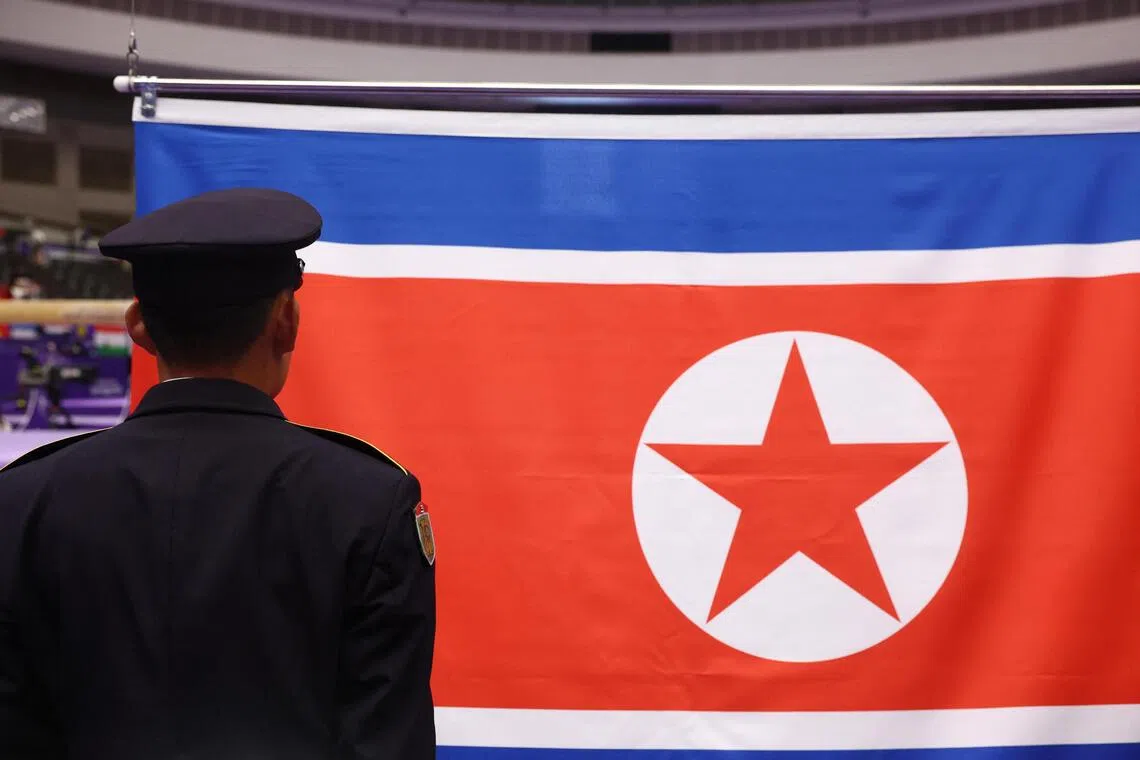
North Korean defections have fallen to negligible levels, with analysts describing escape attempts as virtually non-existent under current conditions. The sharp decline reflects sweeping policy changes implemented by leader Kim Jong Un, who has prioritized regime preservation through comprehensive border sealing and population control mechanisms. The strategy represents a significant hardening of already restrictive policies governing citizen movement and international contact.
Specialists monitoring the situation point to Kim Jong Un's focus on dynastic succession as the driving force behind these measures. By isolating the North Korean population from external influences and information, the regime aims to eliminate the ideological threats that could undermine family rule. Enhanced surveillance systems, reinforced border security, and severe penalties for attempted escape have created what experts characterize as an impenetrable barrier to defection.
The reduced flow of defectors has complicated intelligence gathering on conditions within North Korea. Historically, escapees provided crucial information about living conditions, economic trends, and internal developments within the secretive state. The current security environment has made such firsthand accounts increasingly rare, limiting external understanding of the country's situation.
Regional security analysts note that the defection decline reflects the regime's broader strategy of self-imposed isolation. By restricting both outbound movement and inbound information, North Korea aims to maintain tight control over its population and prevent challenges to the established power structure. The effectiveness of these measures suggests the regime views population control as central to its long-term stability.