World · Singapore Bureau
North Korea's restaurant expansion raises questions over economic shifts
A flurry of new barbecue establishments in Pyongyang signals potential changes in North Korea's tightly controlled economy. Thirteen bulgogi restaurants have opened since early September, prompting analysis of what the dining boom might reveal about wealth distribution in the isolated nation.
LSN Singapore ·
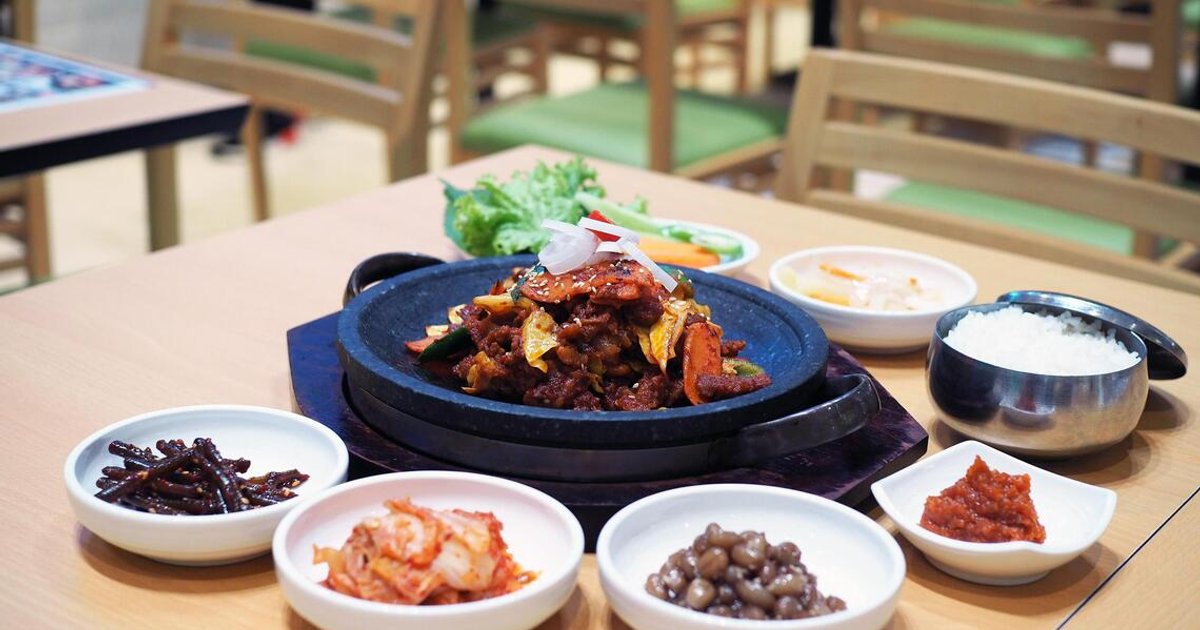
North Korea has seen a surge in upscale dining venues in recent weeks, with more than a dozen Korean barbecue restaurants launching in the capital since the start of September. The establishments represent a notable expansion in the country's consumer-facing hospitality sector, which typically operates under strict state oversight.
Bulgogi restaurants, which allow diners to grill marinated meat at individual tables, have traditionally been accessible only to Pyongyang's elite. The rapid opening of new venues suggests either increased demand from a growing affluent class or a deliberate policy shift to expand consumer services in the capital.
Analysts of North Korea's economy note that such commercial developments are rarely coincidental in a centrally planned state. The expansion could indicate growing prosperity among party officials, military leadership, and emerging merchant classes who have benefited from semi-legal market activities. Alternatively, it may reflect state efforts to generate foreign currency and provide amenities that boost morale among the privileged population.
The restaurant boom underscores the persistent inequality within North Korea, where access to quality dining and consumer goods remains sharply divided along class and political lines. While Pyongyang's elite enjoy dining options unavailable to the broader population, such ventures highlight the capital's continued development as a showcase city for the regime.
Observers will likely monitor whether this commercial expansion continues or represents a temporary fluctuation in North Korea's tightly managed economy.