Business · India Bureau
Northeast India's labour migration follows established south-bound corridors
A survey of migration patterns across three northeastern states reveals that economic hardship drives workers southward through established networks. The study found that 91 percent of migrants cited pressing economic factors as their primary reason for leaving their home regions.
LSN India ·
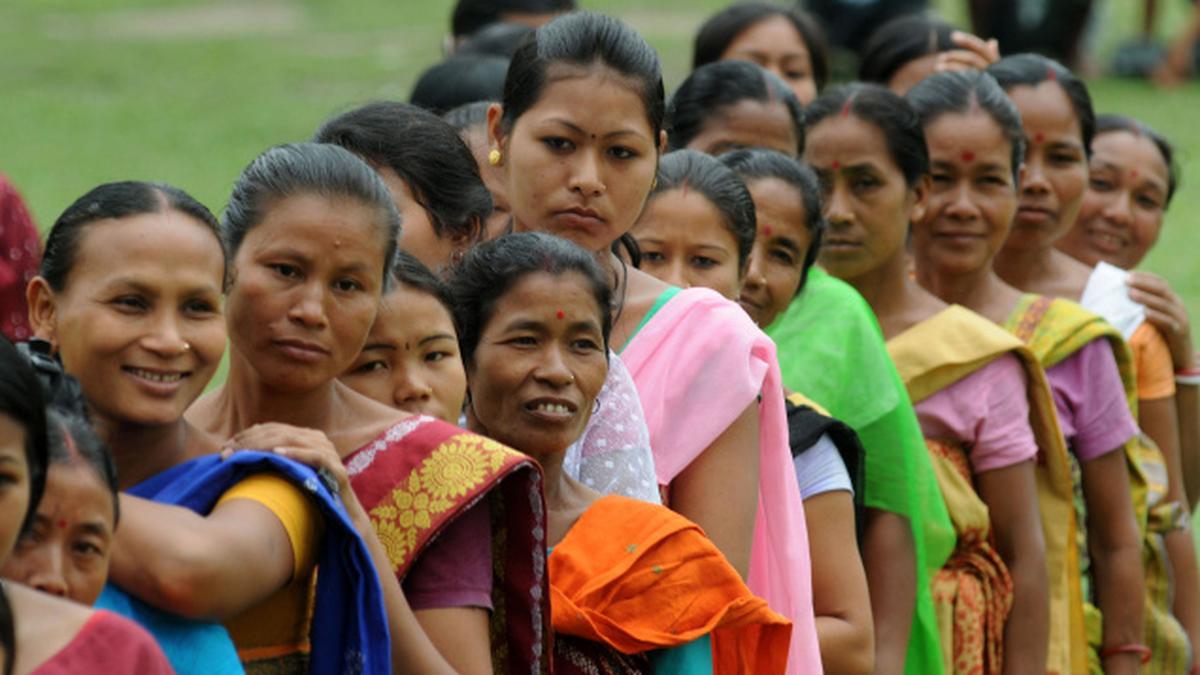
Workers from northeastern India are following well-established migration corridors to seek employment in southern states, according to findings from a development organisation based in Guwahati. The research across three states demonstrates that migration patterns are not random but follow structured pathways that have developed over time, suggesting the existence of established networks connecting workers with employment opportunities in the south.
The survey identified "push" factors as the primary drivers of migration, with 91 percent of respondents citing economic hardship as their reason for relocating. These factors include acute land scarcity for agricultural pursuits, mounting debt obligations, and limited local employment prospects. The prevalence of such push factors underscores the economic challenges facing rural communities in the region.
The existence of defined migration corridors indicates that information about job opportunities flows through established social and economic networks. Workers rely on these pathways to navigate the process of relocating to distant regions, suggesting that family and community connections play a significant role in facilitating labour mobility between the northeast and southern India.
The findings highlight the interconnected nature of India's labour market and the ways in which regional economic disparities shape population movement. As northeastern states grapple with agricultural constraints and limited industrial development, the reliance on southern employment markets is likely to persist unless local economic opportunities expand substantially.