Politics · India Bureau
Norway tackles mercury threat from World War II U-boat wreck
Norwegian authorities are confronting a significant environmental hazard posed by a sunken Nazi submarine that has been leaking mercury into the ocean for over eight decades. The discovery has prompted urgent discussions on containment strategies to prevent further contamination.
LSN India ·
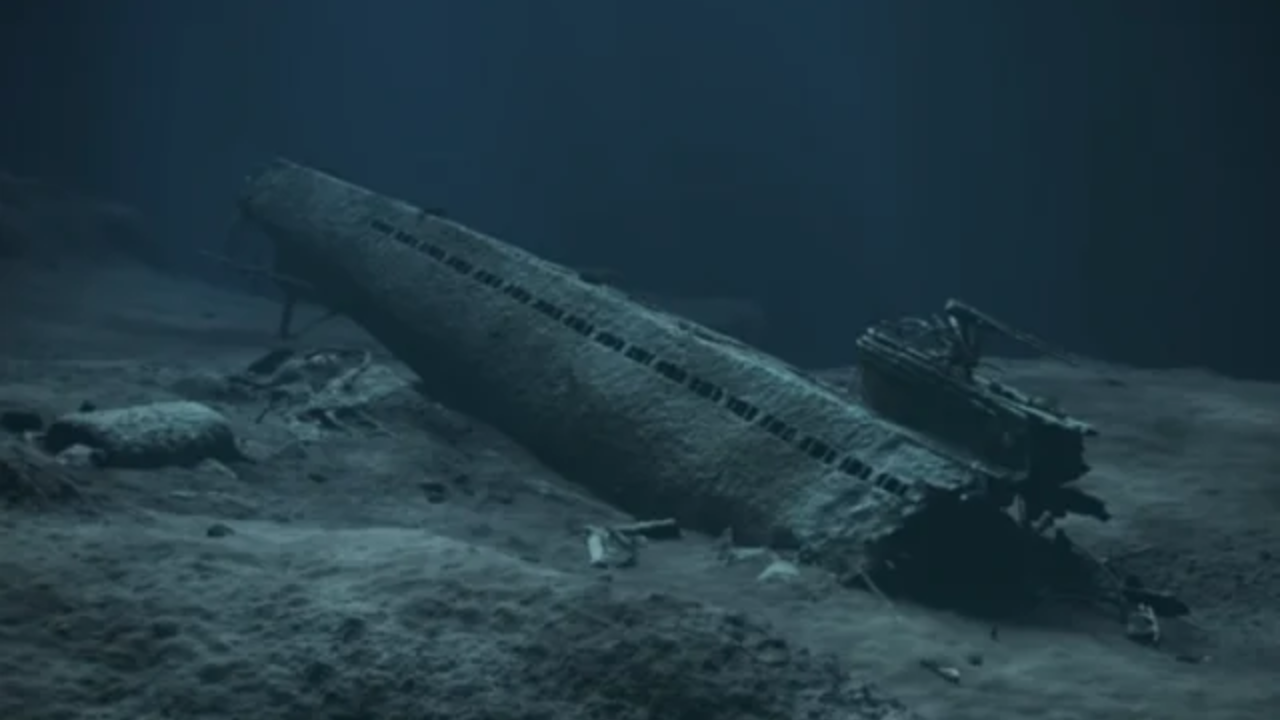
The U-864, a German submarine sunk by British forces during World War II, continues to pose an environmental threat from its resting place off Norway's coast. Recent investigations have revealed that mercury containers aboard the wreck are corroding and leaking hazardous materials into surrounding waters, raising alarm among environmental and health officials.
The submarine was destroyed in February 1943 following engagement with British naval forces. However, the danger it now presents stems not from its wartime cargo but from the mercury stored on board—likely used in various submarine systems. As the vessel deteriorates on the seafloor, these mercury reserves are increasingly contaminating the marine environment.
Norwegian authorities, including the Ministry of Trade, Industry and Fisheries, are actively evaluating options to mitigate the contamination risks. Sealing the wreck has emerged as a leading proposal among potential solutions being considered. The government is weighing the technical feasibility, environmental impact, and cost-effectiveness of various intervention strategies.
The situation underscores the long-term environmental consequences of World War II wrecks scattered across ocean floors worldwide. Officials are prioritising swift action to prevent further mercury leakage and protect marine ecosystems in the region.