World · India Bureau
Norwegian glacial melt unearths cache of 48 ancient arrows
Receding ice in Norway has revealed a remarkable archaeological trove of 48 prehistoric arrows, with one specimen dating back as far as 6,000 years. The discovery underscores both the archaeological value of melting glaciers and the urgency of preserving artifacts before they deteriorate.
LSN India ·
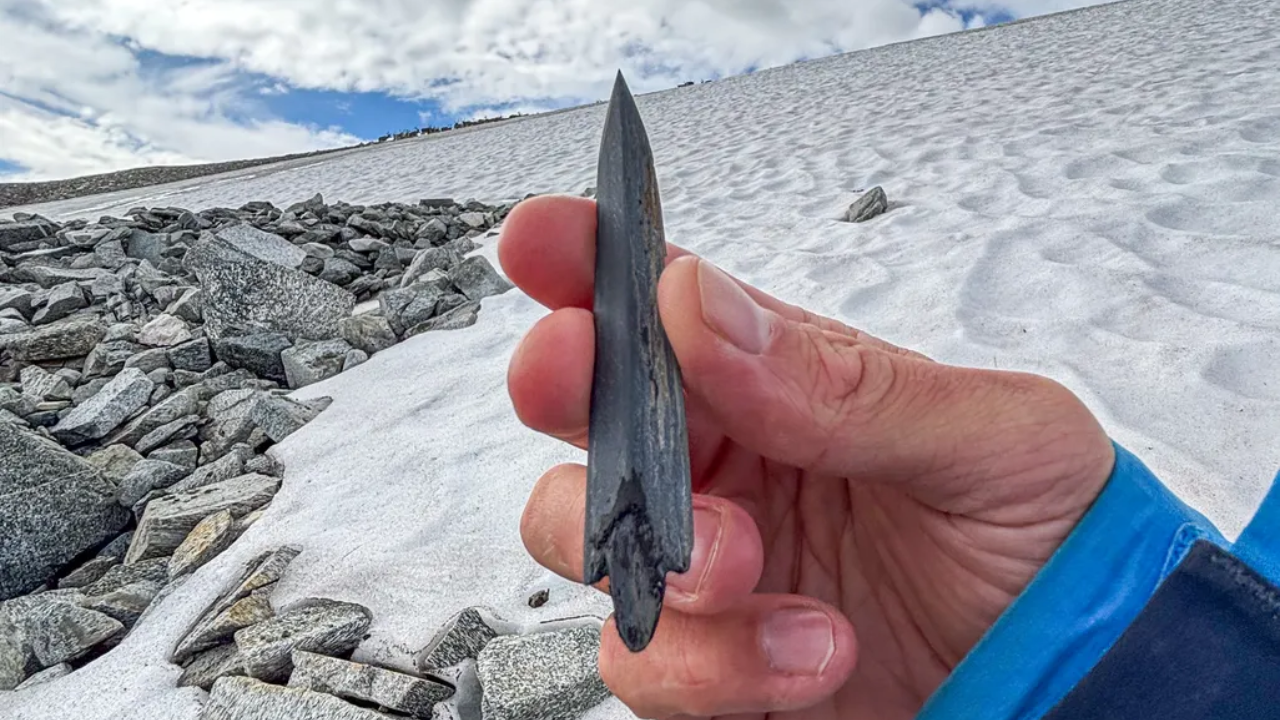
Norwegian archaeologists are racing against time to recover a significant collection of ancient arrows exposed by shrinking mountain glaciers. The 48 artifacts, uncovered as ice cover continues to diminish across the region, include one specimen dated between 5,000 and 6,000 years old, offering fresh insights into prehistoric human activity in Scandinavia.
The discovery marks another instance of climate-driven archaeological revelations, as rapidly melting ice sheets expose long-preserved artifacts that have remained frozen for millennia. Experts emphasize that the window for recovery is narrow, as exposed organic materials face swift degradation once removed from their icy protective environment.
The arrow collection expands understanding of prehistoric settlement patterns and hunting practices in the Nordic region. As glaciers worldwide continue their accelerated retreat due to rising global temperatures, archaeologists increasingly view these melting zones as critical sites for recovering material culture that might otherwise remain hidden or be lost to environmental decay.
The Norwegian find reflects a broader pattern of archaeological discoveries emerging from glacial regions, prompting increased international collaboration between climate scientists and heritage professionals to document and preserve such finds before they are permanently lost.