World · India Bureau
Not all railway tracks carry electric current, but danger persists
Not all Indian railway tracks carry electric current, but electrified lines pose lethal electrical risks while even non-electrified tracks endanger trespassers through moving trains and track infrastructure hazards.
LSN India ·
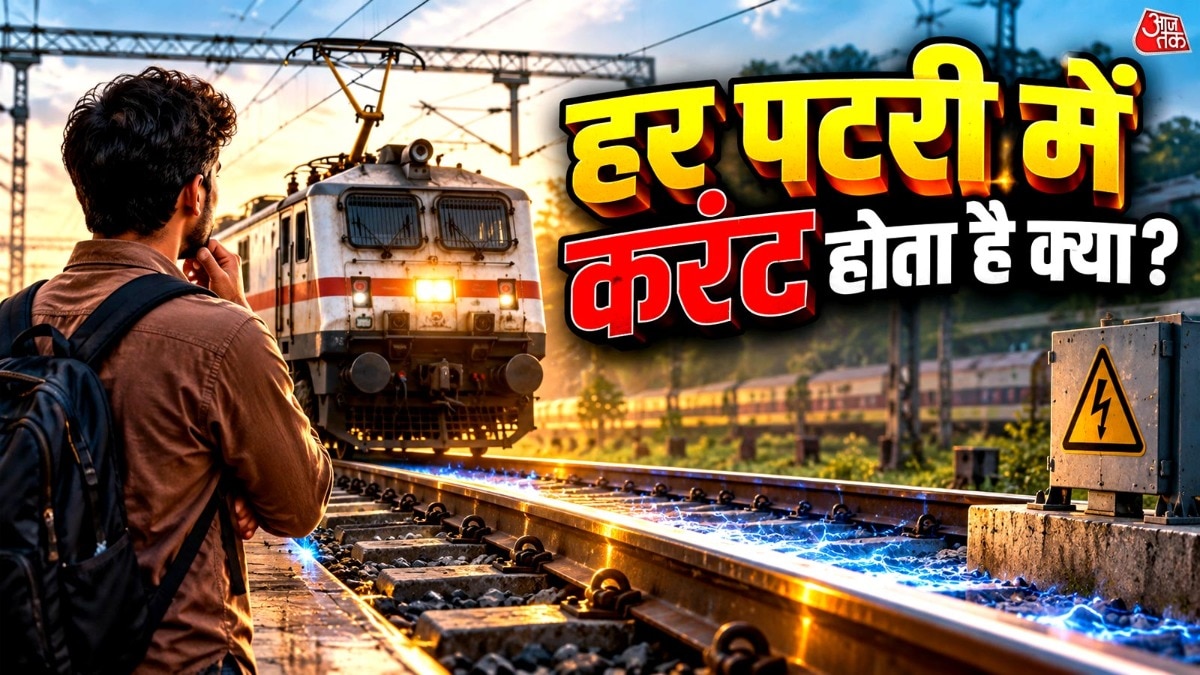
A common misconception exists among the Indian public that all railway tracks carry electric current. In reality, only electrified rail routes—primarily main lines and major corridors—transmit high-voltage electricity through overhead cables or third rails to power trains. Many branch lines, sidings, and freight routes remain non-electrified, using diesel locomotives instead.
On electrified lines, the railway track itself forms part of the electrical circuit, carrying return current from trains back to power substations. This system enables efficient power distribution but creates significant hazards for anyone in contact with the rails or overhead equipment. The voltage on electrified Indian Railways lines typically ranges from 25,000 volts on AC systems, sufficient to cause instantaneous fatal injury.
However, the absence of electrical current does not render non-electrified tracks safe. Moving trains on any track—powered by diesel or electricity—represent lethal threats to pedestrians and trespassers. The massive kinetic energy and inability of trains to stop quickly mean that even brief contact with tracks can prove fatal.
Railway authorities consistently warn against trespassing, crossing tracks at unauthorized points, or touching track infrastructure. Both electrified and non-electrified railway property remains restricted zones where public access is prohibited under Indian Railways regulations. The combination of moving trains, electrical hazards on some lines, and the tracks' industrial nature makes railway corridors among the most dangerous public spaces.