Politics · India Bureau
NRI quota expansion in government colleges dampens private medical seat demand
The allocation of 15 per cent seats to Non-Resident Indians in government medical colleges has led to a significant decline in admissions through management quota in private institutions. Over 650 management seats across private medical colleges have gone unfilled, signalling a shift in student preferences.
LSN India ·
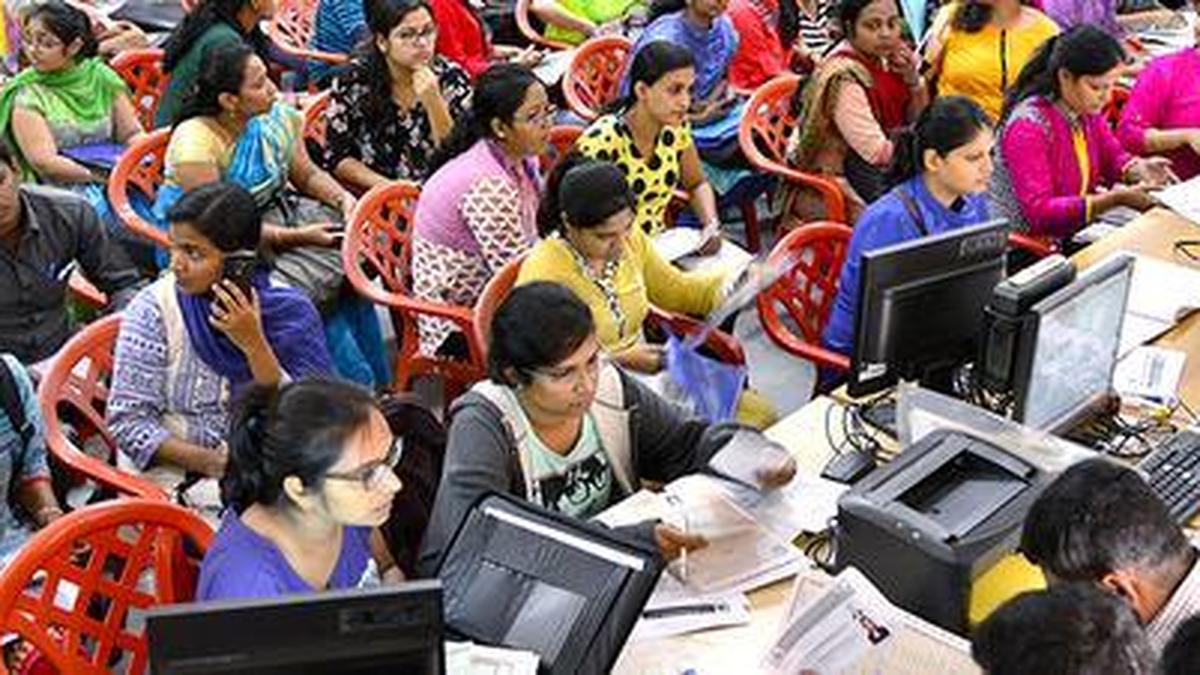
The expansion of NRI quota seats in government medical colleges to 15 per cent has triggered a noticeable decline in demand for management quota positions at private medical colleges across the country. Data indicates that 656 management quota seats in private medical institutions remain unoccupied, reflecting reduced student interest in premium-fee private college options.
Education analysts attribute the shift to increased accessibility through the expanded government quota system, which offers quality medical education at significantly lower costs compared to private institutions. The NRI quota expansion in government colleges has effectively widened the pool of available seats in prestigious public sector medical institutions, reducing the relative appeal of private colleges that charge substantially higher fees through their management quota routes.
The vacancy figures underscore changing dynamics in India's medical education landscape, where students are increasingly able to secure admission to government institutions through various quota mechanisms. Medical college administrators have expressed concerns about the impact on revenue and sustainability, noting that management quota seats traditionally serve as a critical financial source for private institutions.
Education officials suggest that private medical colleges may need to recalibrate their fee structures and quality offerings to remain competitive. The phenomenon also raises questions about capacity utilization across the private medical education sector and broader implications for student choice in professional medical education pathways.