World · India Bureau
NSCN-IM accused of exploiting Naga-Kuki tensions for strategic gain
Kuki-Zo insurgent groups have alleged that the NSCN-IM is deliberately fueling communal violence to expand conflict zones and restore its diminished support base. The accusations point to a coordinated effort to draw Naga and Kuki communities into broader armed confrontation.
LSN India ·
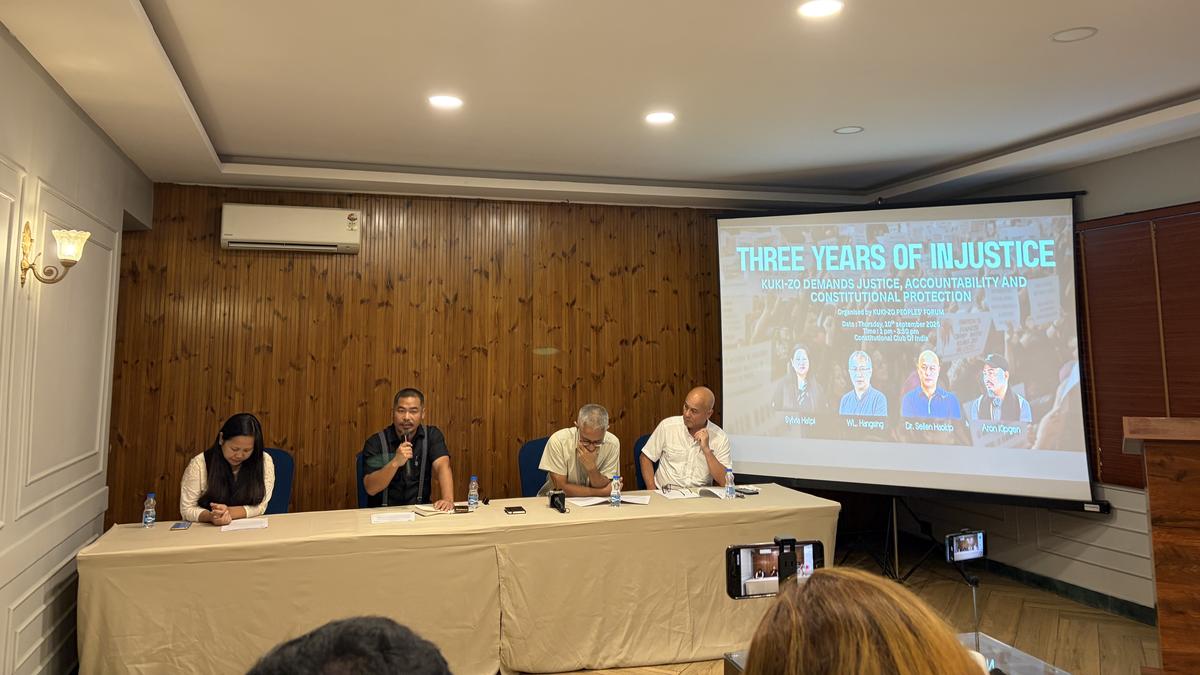
Seilen Haokip, a spokesperson for the Kuki National Organisation, has leveled serious allegations against the National Socialist Council of Nagaland (NSCN-IM), claiming the group is weaponizing existing ethnic tensions to advance its own organizational interests.
According to Haokip, there is evidence of deliberate attempts to spread violence beyond traditional conflict areas in the Northeast, with the explicit goal of drawing both Naga and Kuki populations into an escalating cycle of confrontation. The strategy, he suggested, forms part of a broader effort to reinvigorate support for the NSCN-IM amid waning political influence.
The allegations underscore deepening fractures within the region's complex insurgent landscape, where multiple armed groups compete for territorial control and community backing. The Naga-Kuki conflict has simmered for decades, with periodic flare-ups causing significant civilian casualties and displacement across Manipur and neighboring states.
The accusations add a new dimension to the ongoing violence, suggesting that some armed organizations may be instrumentalizing community grievances for factional advantage rather than seeking genuine political resolution. Security analysts have long warned that without addressing underlying territorial and political disputes, the Northeast remains vulnerable to manipulation by various armed actors pursuing competing agendas.