World · Singapore Bureau
NTU researchers identify protein key to cancer drug resistance
Scientists at Nanyang Technological University have uncovered findings that could pave the way for new treatments to overcome cancer cells' ability to resist conventional drugs. The research points to a specific protein as a potential therapeutic target.
LSN Singapore ·
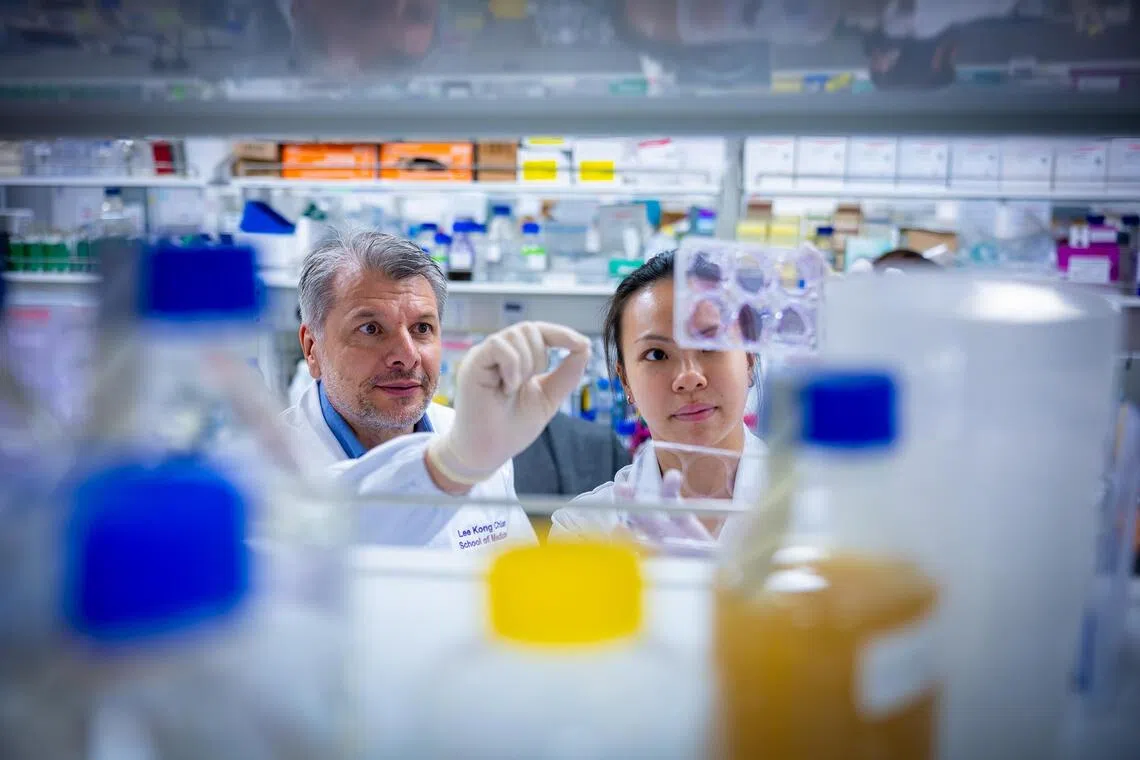
Researchers at Nanyang Technological University have made progress in understanding how cancer cells develop resistance to treatment, identifying a protein that plays a critical role in this process. The discovery could open new avenues for developing medications designed to neutralise the resistance mechanism and improve treatment outcomes for patients.
Cancer drug resistance remains a significant clinical challenge, with many patients experiencing treatment failure as malignant cells adapt and survive standard therapeutic approaches. The NTU team's work suggests that targeting the identified protein could help restore the effectiveness of existing cancer medications.
The findings represent a step forward in the effort to develop combination therapies that attack cancer through multiple mechanisms simultaneously. Researchers believe the insights gained could inform the design of next-generation drugs aimed at overcoming one of oncology's most persistent obstacles.
The study adds to growing international efforts to understand the molecular mechanisms underlying treatment resistance. Further research and clinical testing will be required before any potential new drugs based on these findings reach patients, but the discovery provides a concrete molecular target for future therapeutic development.