World · India Bureau
Nu'utele Island thrives as invasive species removal restores native ecosystems
Samoa's Nu'utele Island is experiencing ecological renewal following successful eradication of invasive rats and pigs. The removal has enabled native forests to regenerate and endangered wildlife to return to the island.
LSN India ·
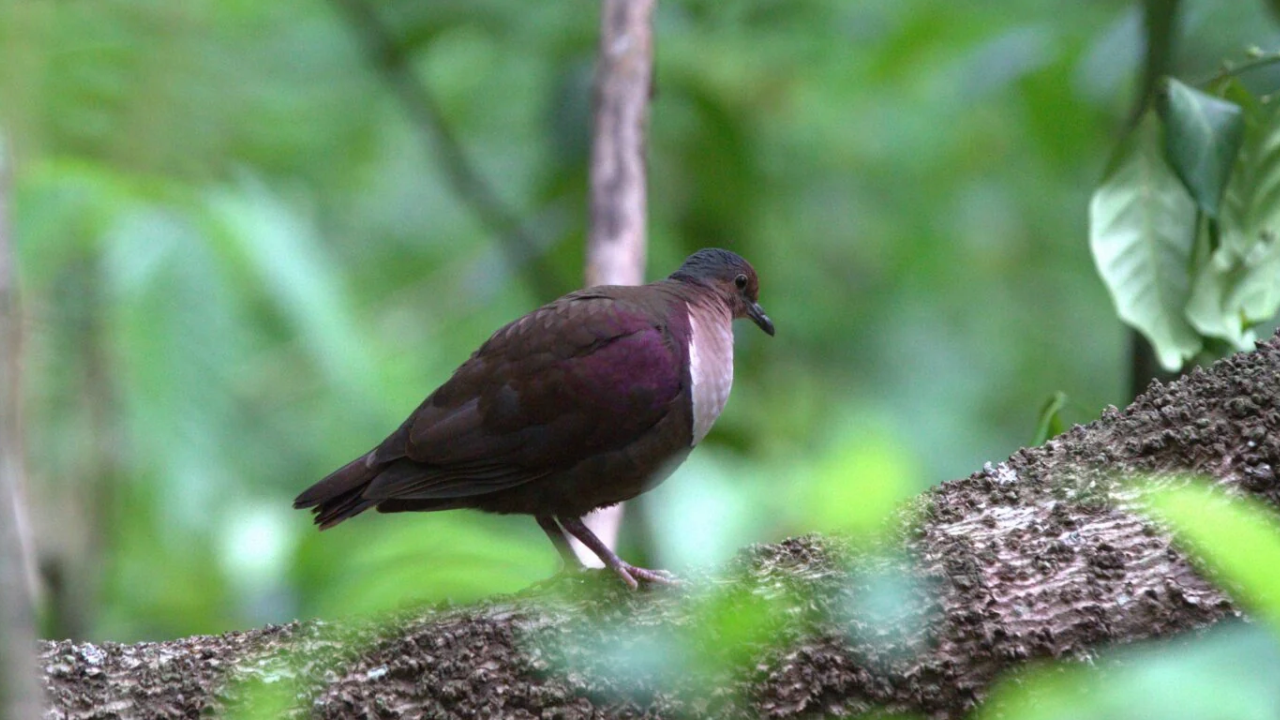
Nu'utele Island in Samoa is undergoing a significant ecological transformation after invasive rat and pig populations were eliminated from the territory. The eradication programme has created conditions for native vegetation to flourish and wildlife populations to recover in areas previously degraded by non-native species.
The restoration initiative has already yielded measurable results for biodiversity. Native bird species that had declined or disappeared from the island are returning to their historical habitats, while sea turtles have begun utilising the island for nesting once again. These developments indicate that the removal of invasive predators has effectively restored critical breeding grounds for vulnerable species.
Beyond wildlife benefits, local communities are witnessing practical advantages linked to the ecosystem's recovery. Enhanced growth of native plant species has contributed to improved food production for residents, demonstrating the interconnection between environmental restoration and human livelihoods. Agricultural productivity improvements linked to ecological recovery underscore the economic dimensions of conservation work.
The Nu'utele Island initiative highlights the broader importance of targeted invasive species removal programmes in combating biodiversity loss. Conservation experts indicate such efforts are increasingly vital as climate change compounds existing pressures on island ecosystems across the Pacific region. The project's success offers a model for addressing ecological degradation in other vulnerable island communities facing similar invasive species challenges.