Business · World News Bureau
Nuclear power race heats up as superpowers eye lunar bases
The United States, Russia and China are accelerating plans to deploy nuclear reactors on the moon to power exploration missions and potential mining operations. The technology could transform humanity's presence on the lunar surface, though environmental contamination concerns persist.
LSN World News ·
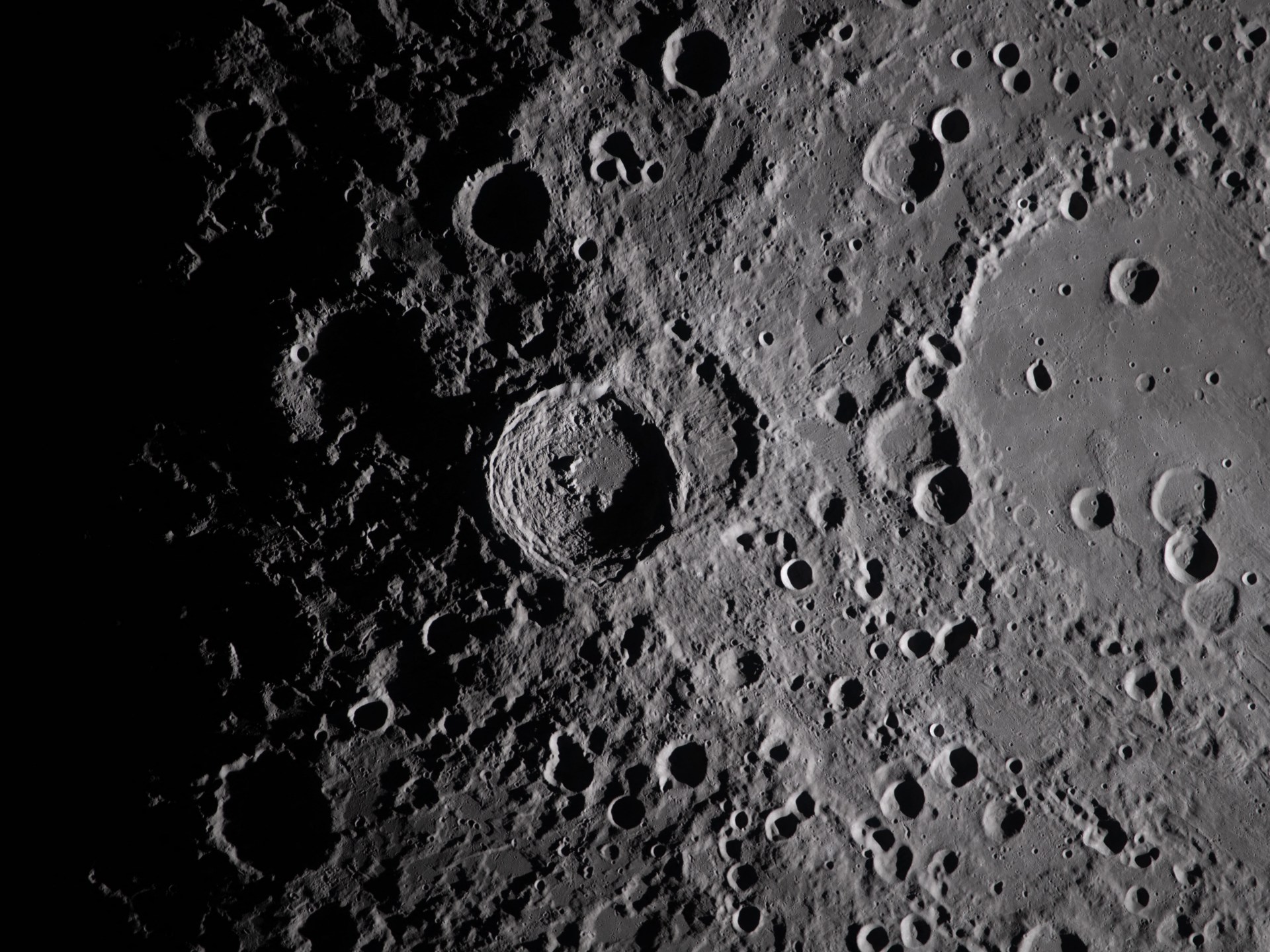
Nuclear reactors represent a significant leap forward in sustaining long-term human activity beyond Earth, offering a compact, reliable power source that could operate continuously regardless of the lunar day-night cycle. Traditional solar panels, which dominate current moon missions, face limitations during the lunar night, which lasts approximately 14 Earth days. A nuclear reactor could overcome these constraints, enabling round-the-clock operations for research facilities, habitats and resource extraction activities.
The three spacefaring superpowers are racing to establish nuclear infrastructure on the moon as part of broader strategies to secure strategic advantages in space exploration. Nuclear-powered bases would allow nations to conduct more ambitious scientific research, establish permanent settlements and potentially extract valuable resources. The enhanced energy capability could fundamentally reshape the economics and feasibility of lunar operations compared to current solar-dependent systems.
However, deploying radioactive materials to the moon raises significant environmental and safety considerations. Potential contamination risks from reactor malfunction, impact damage or degradation over time could compromise the pristine lunar environment and affect scientific research. International protocols governing space activities remain relatively underdeveloped in addressing nuclear contamination scenarios on celestial bodies, creating legal and diplomatic uncertainties.
Experts suggest that establishing clear international guidelines for nuclear reactor deployment in space will be essential as these programs advance. The competing interests of spacefaring nations must be balanced against environmental protection and the long-term preservation of the lunar surface for future generations of exploration and scientific study.