World · World News Bureau
Nuclear power rush highlights AI's massive energy cost dilemma
Major technology companies are securing nuclear power agreements to fuel artificial intelligence expansion, but questions loom over who ultimately bears the staggering costs of the sector's escalating electricity demands.
LSN World News ·
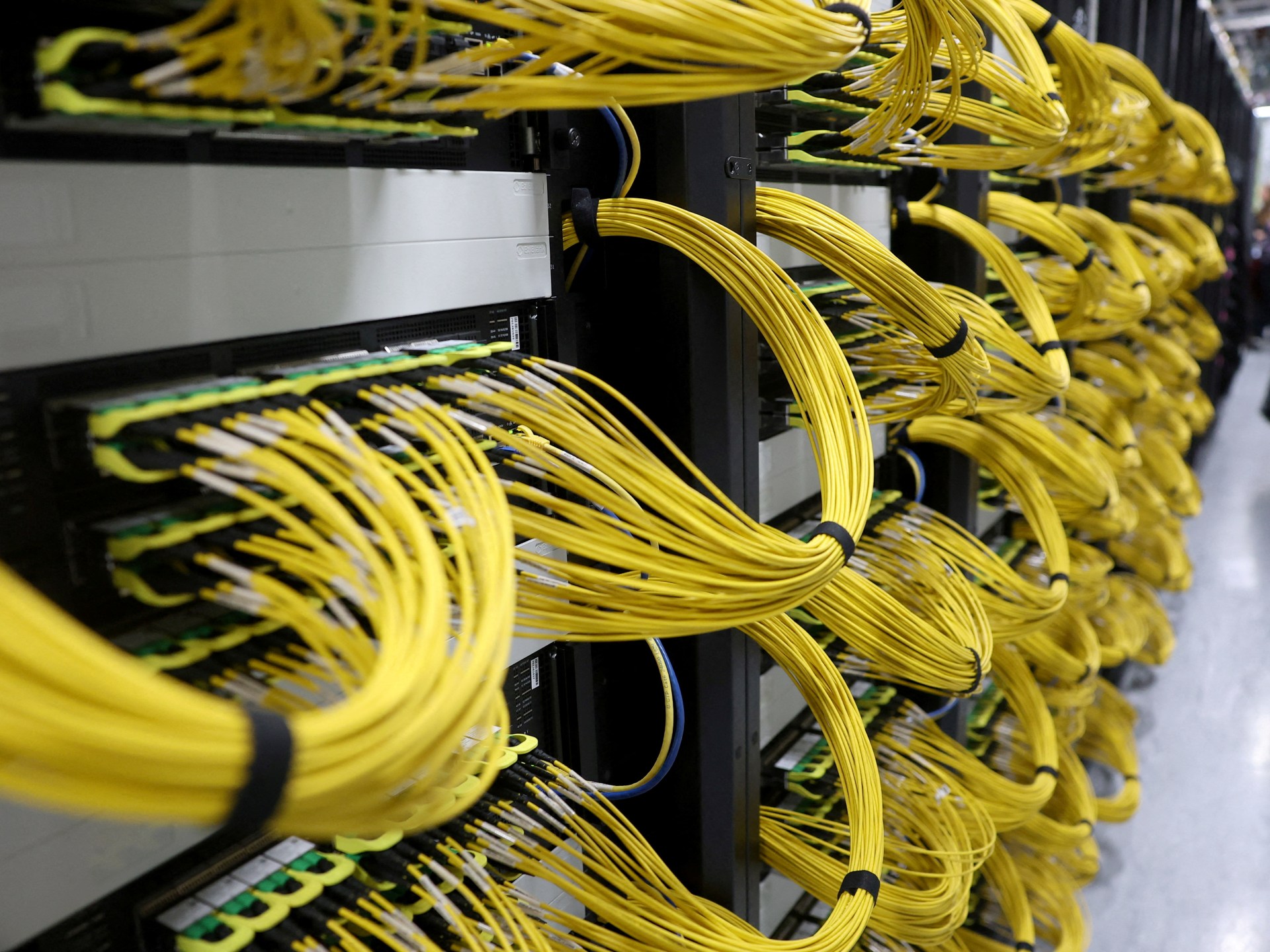
The race to power artificial intelligence infrastructure has prompted leading technology firms to pursue unprecedented nuclear energy contracts, reshaping global energy markets and raising critical questions about economic responsibility. As AI systems require ever-greater computational capacity, data centers consume electricity at volumes previously unseen in commercial operations, forcing technology companies to explore alternative power sources beyond traditional grids.
Nuclear power deals represent a significant shift in how Big Tech approaches energy procurement, with companies seeking long-term agreements to secure reliable baseload power. However, the financial implications extend far beyond individual corporate budgets. The substantial capital investments required for nuclear facilities, infrastructure upgrades, and grid modifications create uncertainty about cost distribution across stakeholders—from companies and consumers to taxpayers and energy providers.
Regulatory bodies and policymakers across regions are grappling with the implications of this trend. The concentration of energy resources toward AI development raises concerns about affordability and accessibility for other sectors and communities. Some analysts warn that without clear frameworks governing energy allocation and cost-sharing, the burden could fall disproportionately on consumers through elevated electricity prices.
The nuclear power pivot also intersects with broader climate and sustainability considerations. While nuclear energy produces minimal carbon emissions, the expansion of this infrastructure demands significant planning and investment coordination between governments and private entities. Industry observers note that resolving these cost-allocation questions will be essential to ensuring both technological advancement and equitable energy access moving forward.