World · Singapore Bureau
NUH pioneers targeted brain stimulation for treatment-resistant depression
A new precision brain stimulation technique offered at the National University Hospital has shown promising results in treating depression and anxiety that fail to respond to conventional therapies. Nearly three-quarters of patients experienced significant improvement within the first month of treatment.
LSN Singapore ·
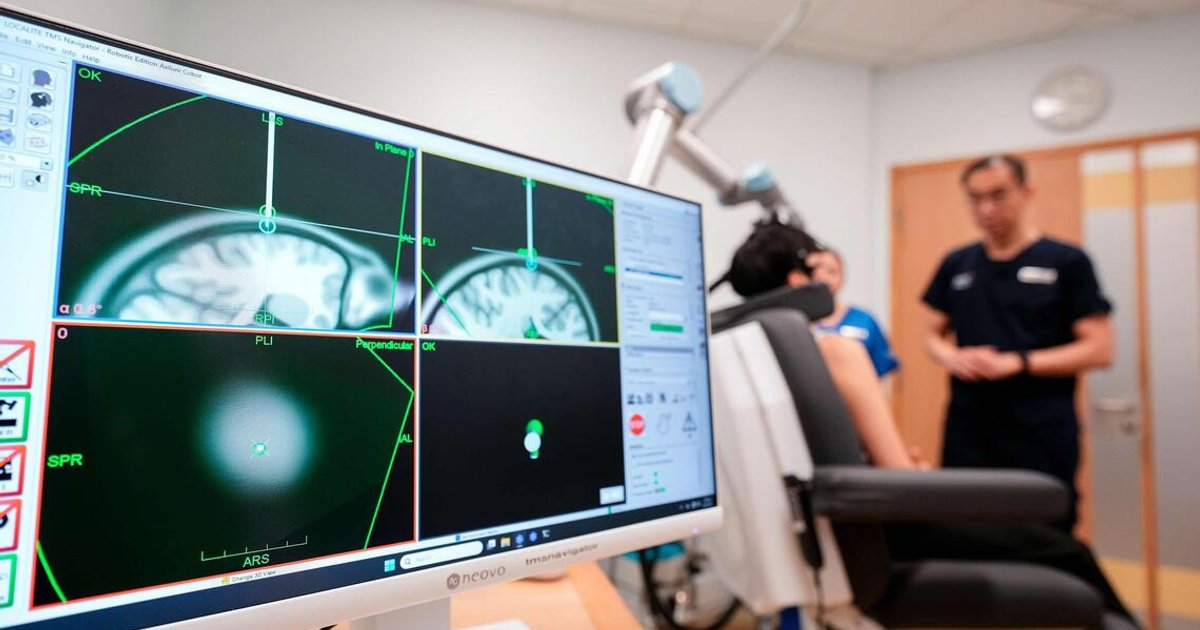
The National University Hospital (NUH) has introduced an advanced brain stimulation procedure targeting patients with treatment-resistant depression and anxiety disorders. The technique, which delivers precisely calibrated stimulation to specific brain regions, has demonstrated substantial clinical efficacy in early trials.
According to data from the hospital's clinical programme, approximately 70 per cent of trial participants with treatment-resistant depression showed meaningful response to the intervention within four weeks of receiving treatment. This response rate represents a significant breakthrough for patients who have exhausted conventional therapeutic options including multiple medication regimens and psychological interventions.
Treatment-resistant depression affects a substantial subset of individuals diagnosed with major depressive disorder, with standard antidepressant medications proving ineffective for these patients. The condition is associated with prolonged disability, increased healthcare costs, and heightened suicide risk, underscoring the clinical need for alternative therapeutic approaches.
The precision stimulation method builds upon decades of neuroscientific research into brain circuitry underlying mood regulation. By targeting individualised neurological pathways implicated in depression and anxiety, the approach offers a personalised treatment strategy distinct from broader brain stimulation techniques employed in previous decades.
NUH's introduction of this technology positions Singapore's healthcare system at the forefront of neuroscience-based psychiatric care, offering hope to patients for whom traditional treatments have failed. The hospital continues to expand access to the procedure while monitoring long-term efficacy and safety outcomes.