World · Singapore Bureau
NUS scientist reverses biological age through lifestyle intervention study
A researcher from the National University of Singapore has documented a reversal of his own biological age through a self-directed clinical trial focusing on diet, sleep and exercise. The longevity study offers insights into how lifestyle modifications may slow or reverse ageing at the cellular level.
LSN Singapore ·
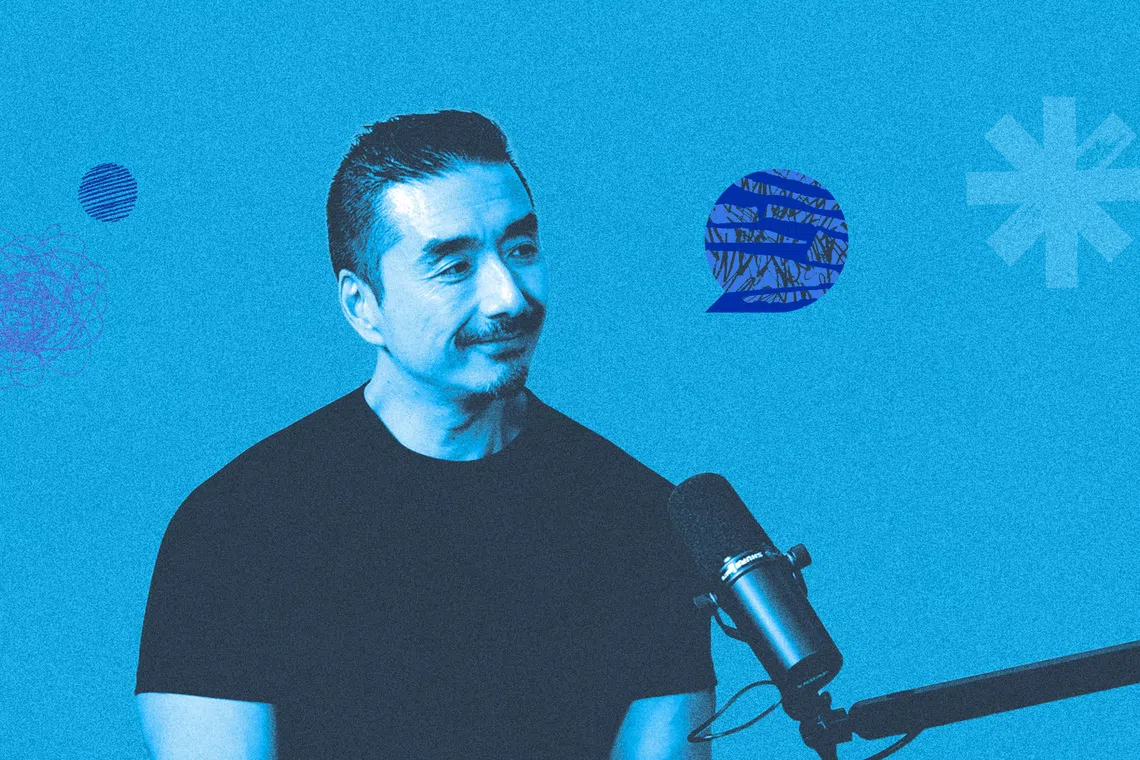
The scientist conducted an intensive personal health intervention, systematically optimizing his daily routines across multiple health domains to assess their collective impact on biological ageing markers. The self-directed trial involved careful monitoring and adjustment of sleep patterns, nutritional intake and physical activity levels over an extended period.
By measuring changes in biological age—a metric that reflects cellular and molecular indicators of ageing rather than chronological years—the researcher documented measurable reversals in ageing-related markers. The approach mirrors growing international interest in longevity science, where individuals leverage quantifiable health metrics to guide lifestyle decisions.
The findings, while limited to a single participant, contribute to the emerging body of research examining how interconnected lifestyle factors influence the ageing process. The study design highlights both the potential and constraints of self-directed longevity research, where personal commitment enables intensive data collection but limits the scope for broader generalization.
The research underscores Singapore's growing engagement with longevity science and personalized health optimization, fields that are gaining traction among researchers and health-conscious individuals across the region seeking evidence-based approaches to healthy ageing.