Technology · India Bureau
Nvidia RTX Spark PCs to launch October with AI-focused architecture
Technology giant Nvidia is preparing to introduce RTX Spark-powered personal computers this October, combining its latest Blackwell graphics processing with Grace CPU architecture to support artificial intelligence applications, gaming and content creation.
LSN India ·
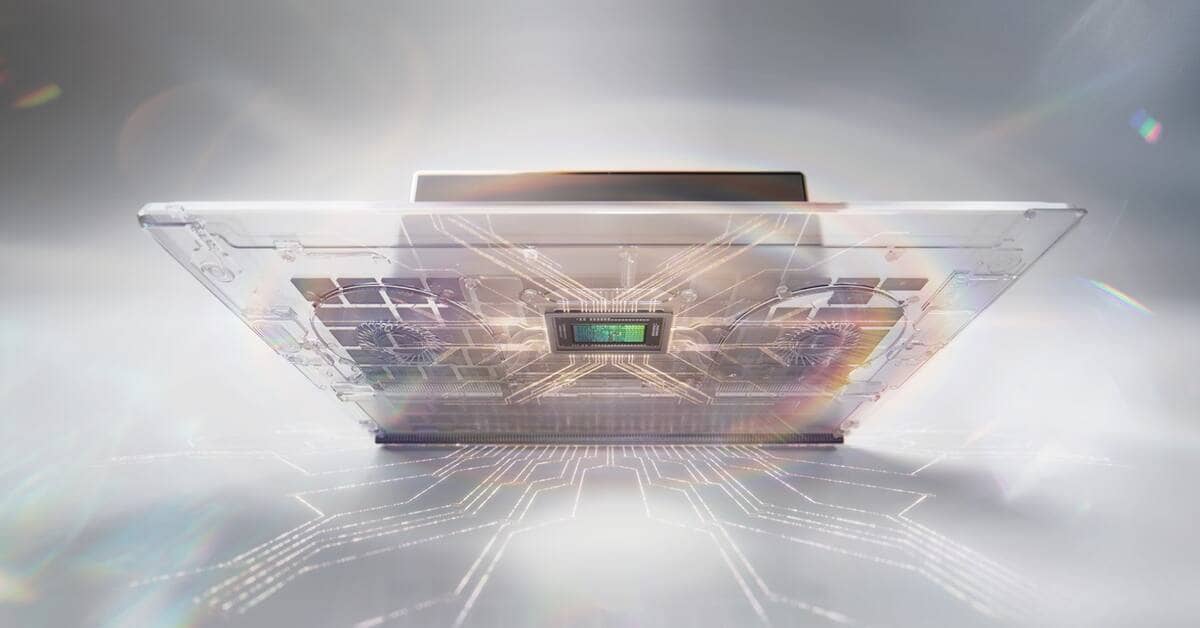
Nvidia's upcoming RTX Spark platform represents a significant shift toward integrating advanced AI capabilities into mainstream computing devices. The new Windows PCs will leverage the company's Blackwell graphics architecture alongside its Grace CPU, creating a unified memory system designed to handle complex computational tasks across multiple workload categories.
The platform aims to address growing demand for machines capable of running sophisticated AI agents alongside traditional applications. By combining dedicated graphics processing with specialized CPU architecture, RTX Spark devices are engineered to deliver improved performance for users working with artificial intelligence tools, machine learning models and generative applications.
Beyond AI functionality, the RTX Spark ecosystem is expected to maintain strong capabilities for gaming and creative professional work. Content creators and game developers have increasingly relied on Nvidia's GPU technology to accelerate rendering, video processing and graphics-intensive tasks. The unified memory approach promises more efficient data handling between processors, potentially reducing bottlenecks common in traditional system architectures.
The October launch timeline positions RTX Spark devices to compete in the expanding AI-PC segment, where major technology manufacturers are racing to deliver machines optimized for on-device artificial intelligence processing. Industry observers expect the platform to influence PC design standards across the regional market as enterprises and individual users seek more capable systems for contemporary computing demands.