World · Singapore Bureau
Nvidia's Asia partners brace for potential shift under new leadership
Supply chain stakeholders across Asia are weighing the implications of eventual leadership changes at Nvidia, with questions emerging over whether a successor to Jensen Huang would maintain the company's aggressive artificial intelligence expansion strategy.
LSN Singapore ·
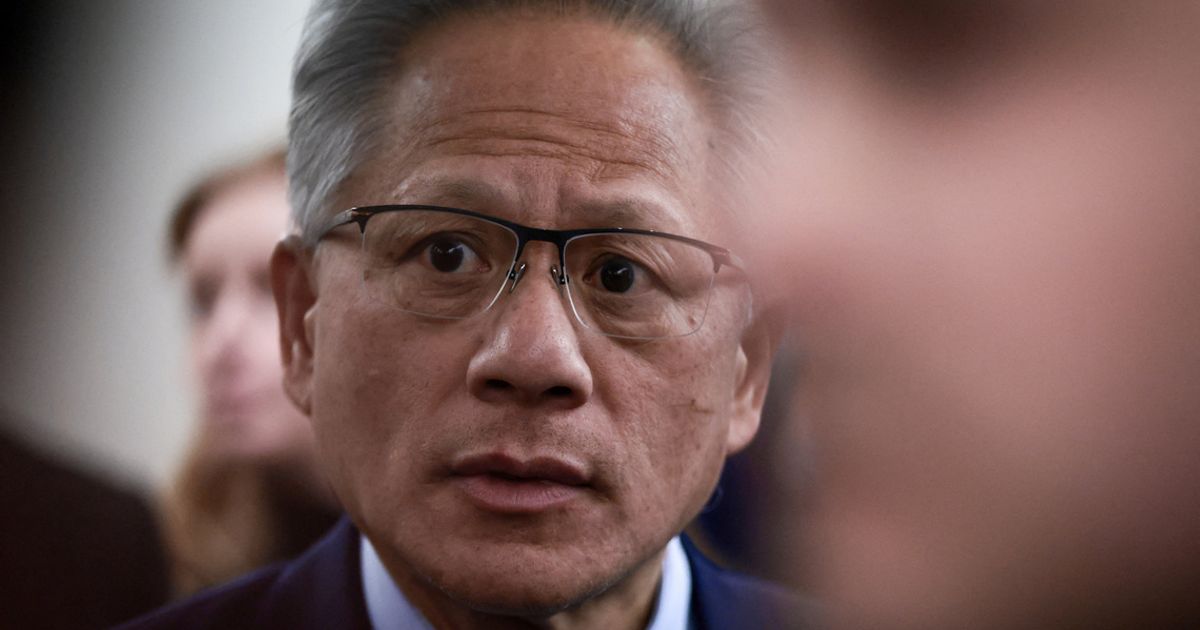
Nvidia's rapid ascent as the dominant force in AI semiconductors has been closely tied to the strategic vision and risk appetite of founder and Chief Executive Jensen Huang. As discussions emerge about succession planning and the company's long-term direction, suppliers and manufacturers across South and Southeast Asia are assessing how a leadership transition might reshape their relationship with the chipmaker.
The concern centres on whether incoming leadership would maintain Huang's historically ambitious approach to market expansion and product development. Huang's tenure has been marked by decisive moves to dominate AI infrastructure, from aggressive pricing strategies to rapid product cycles that have kept competitors at bay. For regional manufacturers, distributors and logistics partners, this predictable aggressiveness has become a cornerstone of their own business planning.
Asian supply chain operators note that Nvidia's growth has catalysed broader ecosystem development across the region. Taiwan's semiconductor manufacturing, Singapore's financial and logistics hubs, and India's software services have all benefited from Nvidia's expansion. A more cautious or differently-oriented leadership approach could alter these dynamics significantly.
Industry observers emphasize that any transition would likely be gradual, providing time for stakeholders to adjust. Nonetheless, supply chain participants are beginning contingency planning, particularly around inventory management, capacity expansion decisions and long-term partnership commitments. The company's current market dominance leaves limited room for error in strategic direction.