Technology · World News Bureau
Nvidia's Leadership Transition Poses Risks for Global AI Supply Chain
As Nvidia navigates significant executive changes, industry observers warn of potential disruptions to the semiconductor supply chain that underpins artificial intelligence development worldwide. The company's institutional knowledge and strategic direction face uncertainty during a critical period of AI infrastructure expansion.
LSN World News ·
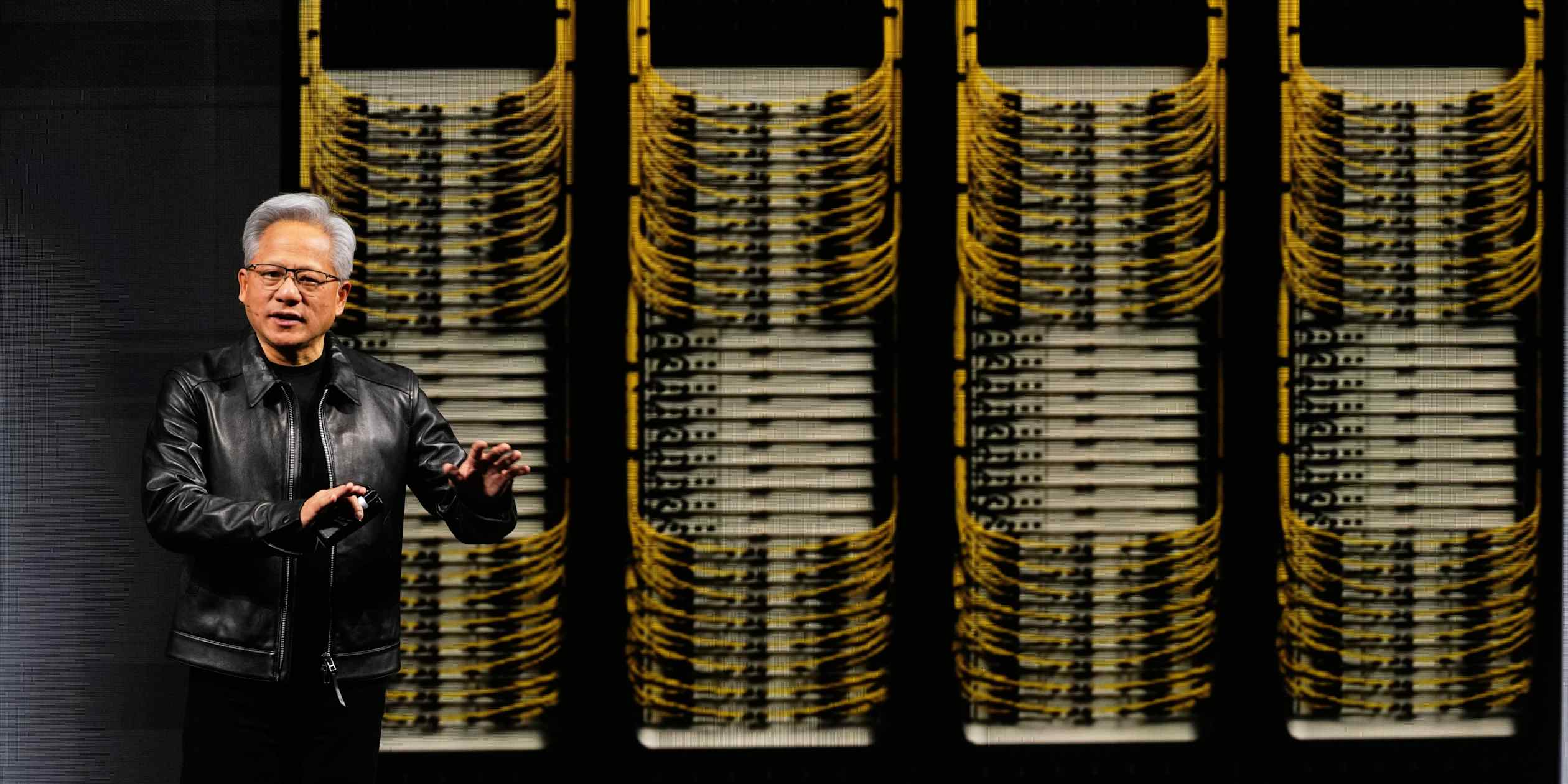
Nvidia has established itself as the dominant supplier of graphics processing units essential to AI systems, commanding over 80 percent of the market for specialized chips used in data centers and AI training. However, upcoming leadership transitions at the company threaten to create vulnerabilities in a supply chain that has become crucial to the global AI ecosystem, from major technology firms to emerging startups dependent on chip availability.
The concentration of AI infrastructure decisions within Nvidia has already created bottlenecks affecting research institutions and companies worldwide. With executive departures potentially affecting strategic planning and product roadmaps, customers and competitors are increasingly concerned about continuity in chip design, manufacturing partnerships, and delivery commitments that have shaped the current AI boom.
Industry analysts point to several risk factors emerging from the leadership uncertainty. Supply chain disruptions could delay next-generation chip releases, complicate relationships with manufacturing partners like TSMC, and create openings for competing chipmakers to gain market share. Some observers also note that competing nations and companies may accelerate alternative chip development programs if they perceive Nvidia's operational stability has been compromised.
The situation underscores broader fragilities in the AI supply chain, where a single company's dominance has created systemic dependencies. Policymakers and industry leaders are increasingly viewing semiconductor diversification as a strategic priority, particularly as geopolitical tensions and regulatory restrictions continue reshaping global technology supply networks.