Politics · World News Bureau
Nvidia spy inquiry reignites US debate on China chip export controls
An investigation into connections between Nvidia's leadership and an alleged intelligence operative has prompted US lawmakers to push for stricter limitations on semiconductor sales to China. The controversy underscores ongoing tensions between technology sector interests and national security concerns.
LSN World News ·
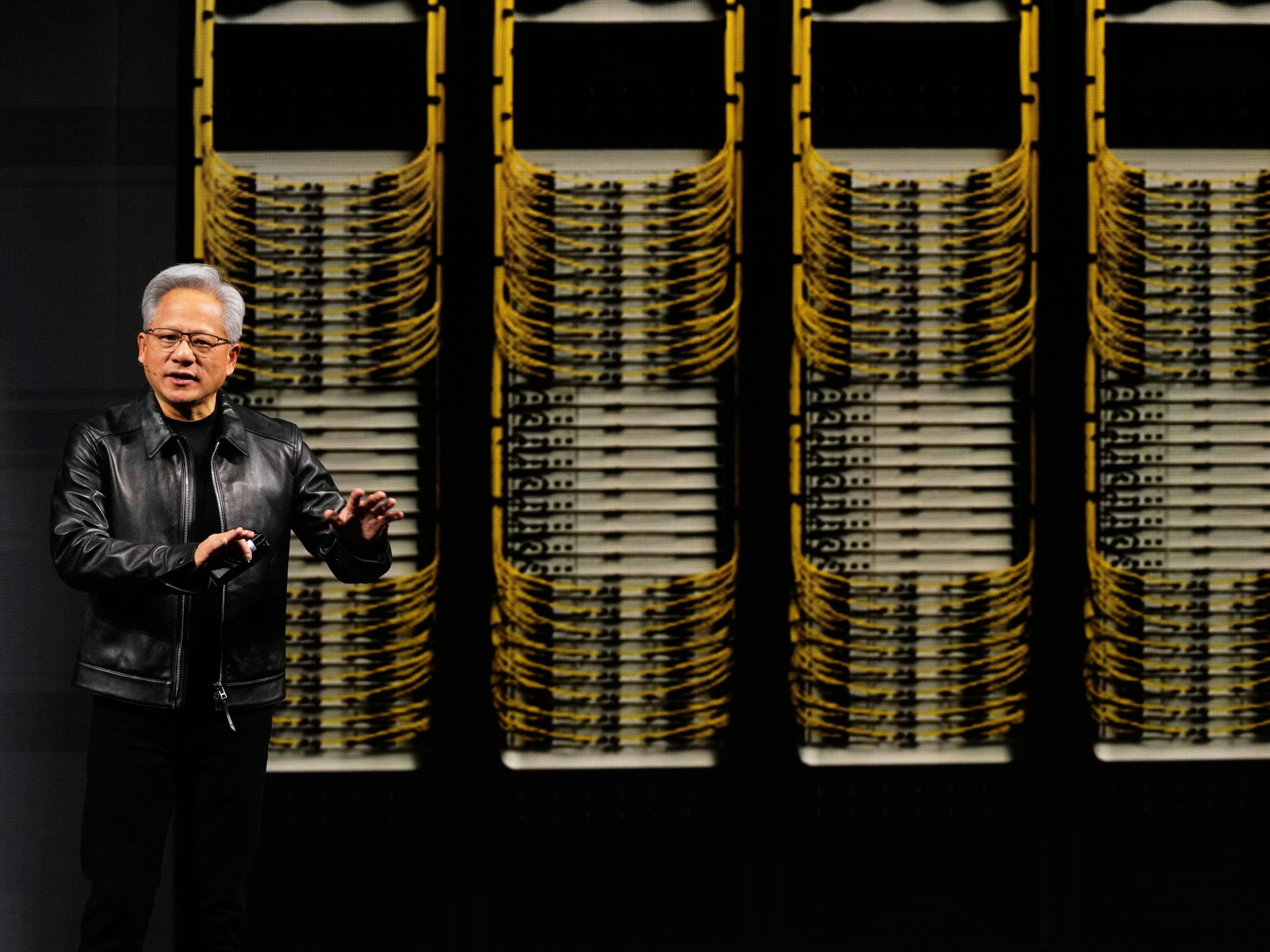
US congressional officials are intensifying calls for tighter export restrictions on advanced semiconductor technology following inquiries into alleged ties between senior Nvidia executives and a person suspected of espionage activities. The matter has reignited a longstanding policy debate between lawmakers seeking to protect sensitive technologies from potential Chinese acquisition and industry figures advocating for open markets.
The investigation centers on relationship patterns that have raised counterintelligence concerns among federal agencies. While details remain limited, the case has provided ammunition for policymakers who argue that current export control frameworks are insufficient to prevent sophisticated efforts to obtain cutting-edge chip manufacturing and design capabilities.
Nvidia, a dominant force in artificial intelligence semiconductors, has long operated in a complex regulatory environment where sales to China require government approval. The company has maintained compliance with existing restrictions while advocating for clearer guidelines that would allow for predictable business planning in the strategically important market.
Lawmakers from both parties have signaled support for reviewing export protocols, particularly regarding advanced chips used in artificial intelligence applications. Security officials have warned that unrestricted access to such technology could enhance China's military and surveillance capabilities, a concern that appears to have gained new urgency given the alleged intelligence connections now under review.
The dispute reflects a broader challenge facing US policymakers: balancing economic interests of technology companies against national security imperatives in an era of intensifying US-China strategic competition.